Autumn Horror Programming: Criterion Channel’s Seasonal Selection
Explore curated Halloween cinema collections across multiple genres and eras
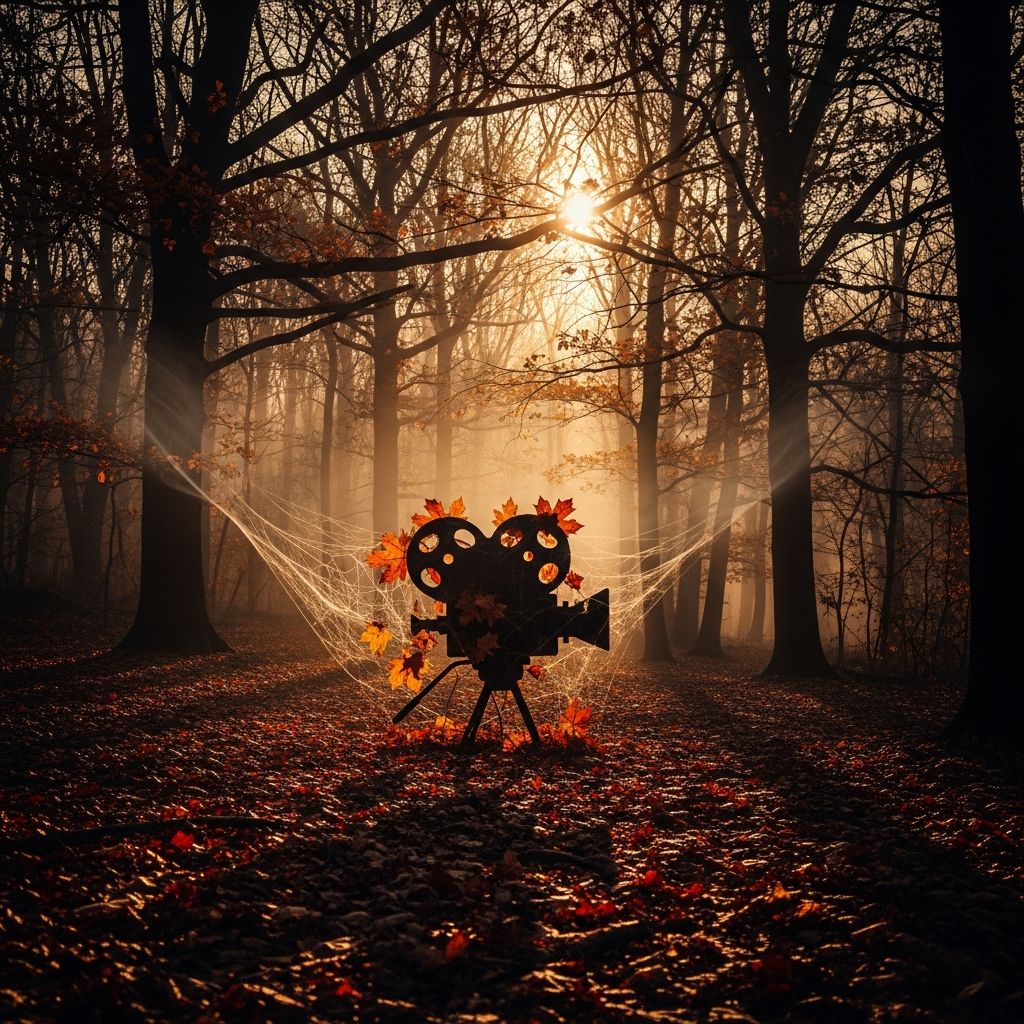
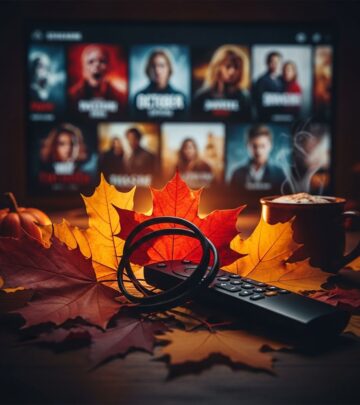
As the calendar turns to October, audiences worldwide seek immersive entertainment experiences that celebrate the darker, more mysterious aspects of cinema. The Criterion Channel, a prestigious streaming platform specializing in carefully curated film collections, responds to this seasonal demand with an expansive lineup of horror and suspense offerings. This autumn programming strategy demonstrates how dedicated streaming services use thematic curation to enhance viewer engagement during culturally significant periods.
Understanding the Criterion Channel’s Curatorial Approach
The Criterion Channel operates as a sophisticated film discovery platform that transcends traditional streaming models. Rather than simply aggregating content, the service employs expert curators who organize films around thematic programs, directorial retrospectives, and genre explorations. This approach recognizes that modern audiences appreciate context alongside entertainment—viewers increasingly desire understanding about why certain films matter, how they influenced subsequent productions, and what artistic innovations they introduced to cinema.
The platform’s autumn programming reflects this philosophy by creating multi-layered collections that educate while entertaining. Each program includes supplementary materials, essays, and contextual interviews that transform casual viewing into an educational experience. For horror enthusiasts, this means accessing not just individual frightening films, but understanding the genre’s evolution, aesthetic principles, and cultural significance.
The Comprehensive Vampire Film Collection
Vampire narratives occupy a unique position in horror cinema, serving simultaneously as supernatural thrillers and metaphorical explorations of desire, mortality, and social transgression. The Criterion Channel’s autumn vampire program recognizes this duality by assembling films spanning multiple decades and national traditions.
This collection likely encompasses:
- Classic European vampire narratives establishing visual and narrative conventions
- Contemporary interpretations that subvert traditional vampire mythology
- International perspectives from Asian, Latin American, and Eastern European filmmakers
- Experimental approaches that use vampire narratives metaphorically
- Character studies examining vampire psychology and immortality’s psychological toll
By assembling vampire films chronologically and thematically, the Criterion Channel enables viewers to trace how filmmakers have repeatedly reimagined this archetypal figure. Early twentieth-century interpretations emphasized aristocratic villainy and sexual danger, while later productions increasingly explored vampire protagonists’ interior worlds and the loneliness accompanying eternal existence.
The Golden Age of Universal Studios Horror
Universal Studios’ monster films from the 1930s and 1940s represent foundational achievements in cinema history. These productions established visual vocabularies, performance styles, and narrative structures that influenced horror filmmaking for decades. The Criterion Channel’s inclusion of these classics acknowledges their historical importance while introducing contemporary audiences to their artistic achievements.
Universal’s horror cycle emerged during the Great Depression when audiences craved escapist entertainment combined with morally instructive narratives. These films explored anxieties about scientific advancement, social disorder, and inhuman forces threatening civilized society. The studio’s makeup artistry, set design, and innovative cinematography created atmospheric worlds that remain visually compelling nearly a century later.
Including these films in autumn programming serves multiple purposes. Established film enthusiasts appreciate revisiting formative works within their original streaming context. Younger viewers discover how contemporary horror conventions originated in these earlier productions. The juxtaposition of Universal classics alongside modern horror films demonstrates both continuities and innovations in the genre.
1980s Horror Revival and Slasher Aesthetics
The 1980s represented a distinctive era in horror cinema, characterized by emerging filmmakers experimenting with practical effects, synthesizer-based soundtracks, and increasingly graphic imagery. This decade’s horror films reflect specific historical anxieties—nuclear fears, technological disruption, and social conservatism colliding with youth rebellion.
Criterion Channel’s 1980s horror programming likely features:
- Influential slasher films that defined the decade’s horror identity
- Body horror narratives exploiting newfound special effects capabilities
- Supernatural films combining atmospheric dread with visceral scares
- Independent productions demonstrating creative resourcefulness
- Psychological thrillers exploring fractured mental states
The 1980s horror aesthetic emphasized style as substance—neon-drenched cinematography, synth-driven scores, and practical makeup effects combined to create distinctive visual and auditory experiences. These films rejected earlier horror’s reliance on shadows and suggestion, instead embracing explicit imagery and stylistic excess. Modern viewers often discover these films represent sophisticated artistic achievements rather than simple shock vehicles.
Ishiro Honda’s Creature Feature Legacy
Ishiro Honda stands as one of cinema’s most significant genre filmmakers, yet Western audiences often underestimate his artistic contributions. His work with Toho Studios transformed Japanese cinema into a globally influential force while exploring profound philosophical questions through monster narratives.
Honda’s most celebrated creations—Godzilla, Mothra, Rodan, and related creatures—functioned as metaphorical vehicles for examining post-World War II Japan’s anxieties, nuclear weapons’ humanitarian consequences, and humanity’s relationship with nature. These films transcended simple entertainment, achieving genuine artistic depth while delivering spectacular visual experiences.
The Criterion Channel’s inclusion of Honda’s filmography acknowledges that monster movies need not be regarded as culturally inferior to more traditionally prestigious genres. Honda’s compositional mastery, thematic sophistication, and innovative practical effects demonstrate that creature features can achieve genuine cinematic excellence. His films influenced subsequent science fiction and horror filmmaking globally, inspiring directors across multiple national traditions.
Architectural Elements of Autumn Programming Strategy
Thematic Coherence Across Diverse Productions
Effective autumn programming extends beyond random horror film aggregation. Successful curation requires identifying thematic connections linking superficially disparate works. A well-constructed autumn collection might organize films around shared preoccupations—mortality, bodily transformation, institutional corruption, or civilizational collapse—rather than exclusively relying on chronological or geographic groupings.
Temporal Balance and Accessibility
Programming autumn horror involves balancing films from different eras and cultural contexts. Contemporary audiences include lifelong horror enthusiasts alongside casual viewers discovering the genre. Effective curation accommodates both demographics by including accessible entry-level productions alongside challenging avant-garde works and obscure international discoveries.
Interactive Supplementary Materials
The Criterion Channel distinguishes itself through contextual materials accompanying each film. Director interviews, cinematography analyses, historical essays, and comparative studies transform individual films into educational experiences. These supplements justify subscription costs while enriching viewer understanding and appreciation.
The Cultural Significance of Seasonal Programming
Autumn programming represents more than marketing opportunism. October holds particular cultural significance in Western traditions, serving as a liminal space between autumn’s melancholic beauty and winter’s dormancy. Halloween traditions emphasize confronting fears, exploring mortality, and temporarily transgressing social boundaries. Horror cinema naturally aligns with these cultural preoccupations, offering imaginative spaces for processing anxieties and experiencing controlled fear.
Streaming platforms recognizing seasonal viewing patterns respond to genuine audience preferences. Autumn viewers genuinely seek horror and suspense more intensely than other seasons. Programming responds to these organic preferences while creating community experiences—millions simultaneously engaging with identical content, discussing shared discoveries, and building collective interpretations.
Navigating Criterion Channel’s Autumn Offerings
Establishing Personal Viewing Priorities
Given extensive autumn programming, viewers benefit from establishing personal priorities. Horror accommodates diverse preferences—some audiences prioritize psychological tension, others prefer visceral scares, still others seek philosophical depth. Identifying personal preferences enables more satisfying programming navigation.
Utilizing Descriptive Resources
The Criterion Channel provides detailed program descriptions, runtime information, and content advisories. Consulting these resources prevents disappointment from unexpected intensity levels or narrative directions conflicting with personal preferences.
Exploring Curated Collections
Rather than browsing randomly, viewers benefit from exploring pre-assembled collections organized around specific themes, directors, or eras. These collections represent expert curation and often introduce films that might otherwise escape notice.
FAQ Section
What distinguishes Criterion Channel’s autumn programming from other platforms?
The Criterion Channel emphasizes contextual curation combined with supplementary educational materials. Rather than simply offering horror films, the platform positions each work within broader artistic, historical, and thematic frameworks. This approach transforms passive viewing into active learning experiences.
Does Criterion Channel’s autumn programming include content warnings?
Yes, the platform provides detailed content advisories describing violence levels, disturbing imagery, and other potentially sensitive elements. These resources enable viewers to make informed selections aligned with personal preferences and comfort levels.
Are all autumn programming films included in standard subscriptions?
The Criterion Channel maintains a core library available to all subscribers while occasionally featuring supplementary content. Specific programming availability may vary by subscription tier or region.
Can viewers access autumn programming outside October?
Many autumn programs remain available throughout the year, though specific collections may rotate or become exclusive to October annually. Viewers interested in particular programs should check availability promptly rather than assuming permanent access.
How should new horror viewers approach Criterion Channel’s autumn collection?
Beginning with accessible classics—Universal Studios films or well-regarded contemporary productions—provides effective entry points. Gradually exploring more challenging or experimental works allows developing nuanced horror appreciation over time.
Conclusion: The Evolution of Horror Curation
The Criterion Channel’s autumn horror programming exemplifies how contemporary streaming platforms reimagine traditional film distribution. Rather than treating cinema as disposable entertainment, curated services position films as cultural artifacts worthy of serious engagement. This approach respects both filmmakers’ artistic achievements and audiences’ intellectual capacities.
Horror cinema, despite frequent dismissal as culturally inferior, encompasses sophisticated artistic achievements addressing profound human preoccupations. Well-curated autumn programming acknowledges this reality, presenting horror films as legitimate artistic expressions deserving thoughtful consideration and contextual understanding. As audiences increasingly recognize horror’s artistic legitimacy, platforms like the Criterion Channel play crucial roles in facilitating deeper engagement with the genre’s most significant achievements.
References
- The Criterion Collection Official Website — The Criterion Collection. Accessed May 2026. https://www.criterion.com/
- Criterion Channel Streaming Service Overview — The Criterion Collection. Accessed May 2026. https://www.criterionchannel.com/browse
- Japanese Cinema and Ishiro Honda’s Legacy in Global Film — Film Studies Academic Resources. Accessed May 2026. https://www.jstor.org/
- Universal Studios Horror Cycle: Historical Context and Influence — The Academy of Motion Picture Arts and Sciences. Accessed May 2026. https://www.ampas.org/
- Vampire Mythology in Cinema: Evolution and Representation — Library of Congress Film Collections. Accessed May 2026. https://www.loc.gov/
Similar Articles




Read full bio of medha deb