Family Entertainment Access Through Library Digital Services
Discover how to access quality children's content without subscription fees
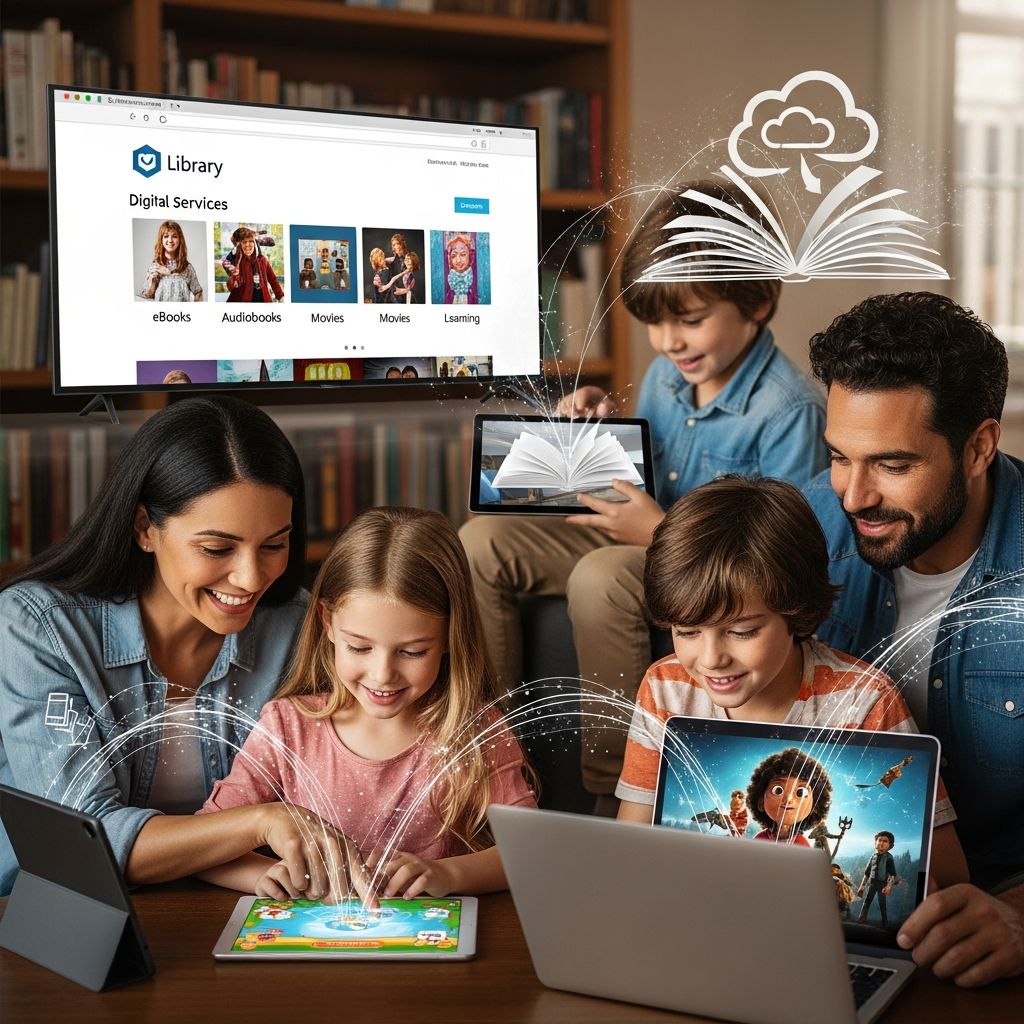
Finding quality content for children that doesn’t drain your household budget has become increasingly challenging in today’s subscription-heavy entertainment landscape. With numerous streaming platforms requiring monthly fees, families are constantly searching for alternatives that offer diverse programming without the financial burden. Fortunately, a solution exists that many families overlook: digital library services that provide comprehensive access to thousands of movies and television programs entirely free of charge.
Public libraries have transformed beyond their traditional role as repositories for physical books. Modern library systems now operate extensive digital platforms that rival commercial streaming services in terms of content variety and quality. These services represent a valuable resource for parents seeking enriching entertainment options for their children while maintaining financial responsibility.
Understanding Digital Library Streaming Platforms
Digital library streaming services function similarly to commercial platforms but operate under a unique model. Rather than purchasing individual subscriptions, patrons access content through their library membership, which is typically free for community residents. These platforms aggregate content from various distributors, creating extensive catalogs that include contemporary releases alongside classic titles.
The infrastructure supporting these services relies on partnerships between library systems and content providers. Libraries negotiate licensing agreements that allow patrons to stream or download materials within specific parameters. This model supports both content creators through proper licensing and patrons through affordable access.
How to Begin Your Library Digital Journey
- Obtain or verify your active library card from your local or county library system
- Visit your library’s official website to locate digital services information
- Create an account on the library’s digital platform using your library card number
- Download the mobile application if available for your device
- Browse collections using the platform’s search and filtering tools
- Select titles to stream directly or download for offline viewing
Breadth of Children’s Programming Available
Library digital collections maintain impressively diverse selections spanning multiple genres and formats. The scope of children’s content extends far beyond simple animated programming, encompassing educational materials, documentaries, classic films, and contemporary productions.
Content Categories for Young Viewers
| Content Type | Description | Age Group |
|---|---|---|
| Animated Series | Contemporary and classic animated television programs | All ages |
| Educational Programming | Programs designed to teach academic and life skills | Preschool to Early Elementary |
| Adventure Films | Action-packed movies suitable for family viewing | Children to Teens |
| Historical Dramas | Period pieces and biographical content | Older Children to Teens |
| Documentary Series | Informative programming on nature, science, and culture | All ages |
| Comedic Content | Family-friendly humor programs | All ages |
Accessing Content Across Multiple Devices
Modern library streaming services prioritize accessibility by supporting numerous devices and platforms. This flexibility allows families to watch content wherever they are, whether at home or on the go. The multi-platform approach ensures that limitations in device ownership don’t prevent access to programming.
Compatible Devices and Platforms
Library digital services typically support streaming across smartphones running iOS and Android operating systems. Users can install dedicated applications or access content through web browsers. Smart television platforms including Roku, Amazon Fire TV, Apple TV, Samsung Smart TV, and LG TV allow for convenient viewing on larger screens. Tablet devices such as iPad and Kindle Fire tablets provide intermediate viewing options suitable for family watching.
The streaming infrastructure accommodates both real-time viewing and offline access. Users may download content for viewing without internet connectivity, an especially valuable feature for long trips or situations where reliable connectivity isn’t available. This flexibility distinguishes library services from strictly streaming-only platforms.
Quality Standards and Content Curation
Library services maintain editorial standards for children’s content, prioritizing programming that meets established quality benchmarks. Curatorial teams select titles based on critical acclaim, educational value, and age-appropriateness rather than purely commercial considerations. This approach differs markedly from algorithm-driven commercial platforms that may prioritize engagement metrics over content quality.
Selection Criteria for Children’s Programming
- Critical reception and awards recognition across film and television industries
- Educational merit and cognitive development benefits
- Age-appropriateness certifications including ratings and content warnings
- Cultural representation and diverse perspectives in storytelling
- Production quality standards and technical execution
- Family-viewing suitability and parental control compatibility
Building a Sustainable Entertainment Budget
The financial implications of utilizing library services deserve consideration in family budgeting contexts. Households subscribing to multiple commercial platforms often spend fifty to over one hundred dollars monthly on entertainment services alone. Transitioning toward library-based options can substantially reduce these expenditures without sacrificing content quality or variety.
The economic model supporting library services differs fundamentally from commercial platforms. Rather than generating revenue through individual subscriptions, libraries fund digital services through municipal or county tax allocations. This structure means that patrons receive services included in existing community investments, effectively providing entertainment at no direct cost beyond standard library usage.
Navigating Discovery and Personalization Features
Library platforms increasingly incorporate user-friendly discovery mechanisms that help patrons locate relevant content efficiently. These systems employ search functions, browsing categories, and personalized recommendation algorithms tailored to user preferences and viewing history.
Effective Content Discovery Strategies
Genre browsing provides categorical organization allowing viewers to explore specific content types. Advanced filtering options enable searches by release date, rating, content type, and other parameters. Many platforms feature curated collections organized around themes such as holiday programming, award winners, or educational topics. Recommendation systems analyze viewing patterns to suggest titles likely to appeal to individual users. Community ratings and reviews assist in evaluating content quality before commitment. Playlist features allow users to organize titles for future viewing, creating customized watchlists by theme or occasion.
Addressing Common Questions About Library Streaming
FAQ Section
Q: What qualifies someone for library card eligibility?
A: Library card eligibility typically requires proof of residence within the library’s service area. Requirements vary by library system but generally include providing a current address and identification. Some libraries offer limited cards to non-residents for nominal fees. Contact your local library branch for specific eligibility requirements.
Q: Can I share my library account with family members?
A: Account policies vary by library system. Some platforms allow simultaneous streaming on multiple devices within a household, while others restrict access. Review your library’s specific terms of service for account sharing policies. Generally, the primary cardholder should authorize family member access.
Q: Are there viewing limitations on downloaded content?
A: Downloaded content typically includes digital rights management protections limiting viewing duration. Most library services allow downloaded content viewing for 7 to 30 days depending on licensing agreements. After the designated period, content must be renewed if continued access is desired.
Q: How frequently is new content added to library collections?
A: Libraries continuously acquire new titles to maintain collection freshness. Many systems add hundreds of titles monthly. Update frequency varies by individual library system, so checking your library’s website or application regularly helps users discover new additions.
Q: What happens if content is removed from the library collection?
A: Libraries periodically remove titles due to licensing expiration or collection curation decisions. This differs from commercial platforms where removal may occur unexpectedly. Libraries typically notify users of significant removals and seek to replace removed content with alternative titles.
Educational Value of Library Programming
Beyond entertainment, library collections serve important educational functions. Programming selections include documentaries addressing scientific concepts, historical dramas providing cultural context, and instructional content supporting academic learning. This educational dimension justifies library investment in digital collections beyond their entertainment value.
Parents can utilize library programming strategically to support child development. Documentaries about nature can complement school science curriculum. Historical dramas can contextualize social studies learning. Foreign language programming can support language acquisition. This integration of entertainment and education represents a unique advantage of library-based services.
Tips for Maximizing Your Library Service Experience
- Establish a family viewing routine incorporating library content selections
- Use library resources to preview content before family viewing sessions
- Enable parental controls and rating filters appropriate for children’s ages
- Explore curated collections organized by library staff for quality assurance
- Download content during periods of reliable connectivity for later offline viewing
- Participate in library programming or reading lists that complement digital offerings
- Provide feedback to library staff regarding content preferences and collection gaps
- Keep your library card current and account information updated
The Future of Library Digital Services
Digital library services continue expanding in scope and sophistication. System improvements include enhanced user interfaces, expanded device compatibility, and growing content catalogs. As libraries invest further in digital infrastructure, services increasingly rival commercial platforms in functionality while maintaining cost accessibility.
The growth trajectory of library services reflects changing community entertainment consumption patterns. Public institutions are adapting to digital delivery models, ensuring that library services remain relevant and valuable to contemporary users. This evolution demonstrates libraries’ commitment to serving community information and entertainment needs regardless of technological change.
Conclusion: Smart Family Entertainment Solutions
Library digital services represent an underutilized resource for families seeking quality children’s entertainment without subscription expenses. With thousands of titles spanning diverse genres and formats, these platforms provide compelling alternatives to commercial streaming services. The combination of cost accessibility, content quality, device compatibility, and educational value creates a compelling case for families to explore library offerings.
By leveraging your existing library card to access digital collections, families can significantly reduce entertainment spending while maintaining diverse programming options. Library services demonstrate that quality entertainment need not require substantial financial investment when communities invest properly in shared digital infrastructure. For families prioritizing both budgetary responsibility and content quality, library streaming platforms deserve serious consideration as primary entertainment sources.
References
- Digital Services and Collections — American Library Association. 2024. https://www.ala.org/tools-resources/digital-services
- Public Library Survey: FY 2022 State Summary Tables — Institute of Museum and Library Services, U.S. Department of Education. 2024. https://imls.gov/research-evaluation/data-tools/state-summary-tables-public-libraries-survey
- Streaming Media in Public Libraries: A Report on Current Practices — Library Journal. 2023. https://www.libraryjournal.com/
- Children’s Media and Screen Time: Research Summary — American Academy of Pediatrics. 2023-2025. https://www.healthychildren.org/English/media/Pages/default.aspx
Similar Articles






Read full bio of Sneha Tete