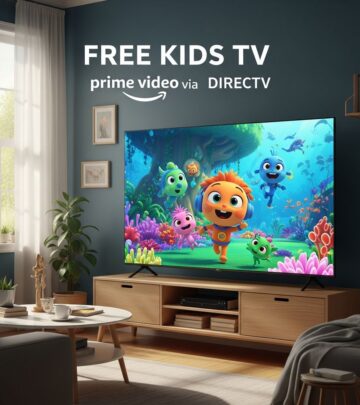
Family Entertainment Guide: Premium Kids Content
Discover quality children's programming available on major streaming platforms.
The digital landscape has transformed how families access entertainment. With numerous streaming services offering increasingly diverse content libraries, parents and guardians now face both opportunities and challenges when selecting appropriate programming for their children. Understanding what’s available and how to navigate these platforms efficiently can significantly enhance the family viewing experience while ensuring age-appropriate content selection.
Understanding the Modern Streaming Entertainment Ecosystem
Today’s streaming environment encompasses multiple platforms competing for audience attention. Each service maintains distinct libraries, exclusive content arrangements, and specialized collections designed to appeal to different demographic segments. For families seeking children’s content, recognizing these distinctions becomes essential for maximizing entertainment value and subscription investment.
The proliferation of streaming options means that content previously locked behind cable subscriptions is now accessible through various subscription models. This democratization of entertainment has enabled households to customize their viewing experiences based on specific preferences, viewing habits, and family dynamics. Understanding how to leverage these platforms effectively requires knowledge of what each offers specifically for younger audiences.
Animated Series and Character-Driven Programming
Animated content remains a cornerstone of children’s entertainment across streaming platforms. These programs span multiple genres and appeal to varying age groups, from preschoolers discovering fundamental concepts through engaging characters to older children enjoying sophisticated humor and complex storytelling.
Character-driven animation programs often become cultural touchstones for entire generations of children. These series frequently combine visual storytelling with educational elements, creating viewing experiences that entertain while subtly reinforcing positive behaviors, problem-solving skills, and social-emotional learning concepts. The narrative structures in quality animated programming often incorporate humor that resonates with both children and adults, making family co-viewing more enjoyable.
Many streaming platforms maintain extensive collections of classic and contemporary animated series. These libraries typically include:
- Long-running franchises with multiple seasons and film adaptations
- Educational programs designed by child development experts
- Adventure-based series emphasizing exploration and discovery
- Comedy-focused shows prioritizing humor and entertainment value
- Story-driven narratives with continuing character development
Age-Appropriate Content Stratification
Effective family entertainment selection requires understanding how different developmental stages interact with media consumption. Content appropriate for preschool-aged children differs substantially from programming designed for school-age audiences, which in turn differs from content created for pre-teens and early teenagers.
Streaming platforms typically organize their catalogs according to age classifications. These designations help parents quickly identify suitable options without extensive previewing. Understanding these rating systems—whether based on traditional television classifications or platform-specific frameworks—enables more informed decision-making.
For younger audiences, programming typically emphasizes:
- Simple narrative structures with clear resolutions
- Gentle conflict appropriate for emerging emotional regulation
- Character education focused on basic social skills
- Colorful visuals designed for developing visual perception
- Slower pacing accommodating shorter attention spans
Intermediate-age programming often introduces more complex narratives while maintaining accessibility. These shows frequently explore friendship dynamics, school scenarios, and age-relatable challenges in ways that validate children’s experiences while modeling appropriate responses.
Content designed for older children and pre-teens typically features:
- Increasingly sophisticated humor and cultural references
- Multi-episode story arcs requiring sustained attention
- Character relationships reflecting pre-teen social dynamics
- Adventure elements with higher stakes
- Themes addressing identity, belonging, and personal growth
Educational Programming and Learning Integration
Quality children’s media increasingly incorporates educational objectives without sacrificing entertainment value. These programs demonstrate that learning and enjoyment need not exist in opposition; rather, engaging narratives can facilitate knowledge acquisition across multiple subject areas.
Educational shows available through streaming platforms cover diverse subjects including language development, mathematics fundamentals, scientific concepts, historical awareness, and social-emotional skills. The most effective programs integrate learning objectives seamlessly into engaging storylines, ensuring children remain motivated to watch while absorbing curriculum-aligned content.
Many platforms feature programming developed in consultation with educators and child development specialists. These collaborations ensure content meets developmental appropriateness standards while advancing recognized learning objectives. Parents seeking to combine entertainment with educational enrichment benefit from identifying such programs within platform libraries.
Movie Content for Family Viewing Occasions
Beyond television series, streaming platforms maintain extensive film libraries suitable for family environments. These collections range from animated features to live-action productions, offering entertainment options for various family preferences and viewing contexts.
Family movies serve distinct purposes within household entertainment ecosystems. Feature films provide focused viewing experiences suitable for special occasions, weekend activities, or rainy day entertainment. Unlike episodic programming, films deliver complete narratives within contained timeframes, making them valuable for families with varied scheduling constraints.
Quality family films typically demonstrate several characteristics:
- Universal appeal engaging both children and adults
- Positive messaging without heavy-handed moralizing
- Visual and narrative sophistication rewarding multiple viewings
- Emotional resonance creating lasting family memories
- Age-appropriate content across designated family categories
Navigating Platform-Specific Collections
Each major streaming service organizes children’s content through distinct categorization systems. Familiarity with these organizational frameworks enables more efficient content discovery and better utilization of subscription services.
Many platforms feature curated collections grouping content by specific themes, character families, or content categories. These pre-organized groupings save time compared to manual browsing through extensive libraries. Parents can quickly locate programming matching specific interests or developmental appropriateness.
Advanced search and filtering capabilities allow customization based on viewing preferences. Users can sort content by release date, rating, duration, and genre to identify options meeting specific household needs. Understanding these platform tools transforms the selection process from potentially overwhelming browsing into targeted content discovery.
Quality Indicators and Selection Criteria
Distinguishing between quality programming and mediocre content requires understanding what constitutes excellence in children’s media. Several indicators can guide selection decisions:
| Quality Indicator | Significance |
|---|---|
| Animation or Production Quality | Professional production values suggest budget investment and attention to detail |
| Writing and Storytelling | Well-crafted narratives maintain child engagement while modeling quality communication |
| Voice Acting and Performance | Skilled performances enhance character development and emotional resonance |
| Educational or Developmental Alignment | Content addressing recognized learning objectives adds value beyond entertainment |
| Viewer Reception and Reviews | Parent and expert feedback provides perspective on actual audience experience |
Balancing Entertainment and Healthy Media Consumption
While streaming platforms offer extensive family entertainment options, healthy media consumption requires intentional household practices. Quality programming becomes more valuable when integrated into balanced family routines rather than serving as default background noise.
Establishing viewing guidelines helps families maximize entertainment benefits while preventing excessive screen time. Co-viewing opportunities enhance the experience by enabling parents to engage with content, facilitate discussion, and support critical media literacy development. These practices transform passive consumption into interactive family experiences.
Recommended practices include:
- Setting designated viewing times rather than continuous access
- Previewing new content before children watch independently
- Engaging in discussion about viewing experiences
- Maintaining device-free family time and activities
- Combining streaming entertainment with diverse recreational activities
Content Organization and Discovery Strategies
Effective library navigation requires developing personal organizational systems and discovery strategies. Parents benefit from maintaining lists of age-appropriate content, noting program quality, and tracking viewing history to make informed recommendations within families.
Many streaming platforms include wishlist and watch-later features enabling families to save content for future viewing. Utilizing these tools helps manage the paradox of choice, where extensive libraries can paralyze decision-making. Pre-selected content curated during less time-pressured moments facilitates smoother viewing experiences during family time.
Personalization features on most platforms learn viewing preferences and recommend related content. However, intentional curation by parents ensures recommendations align with household standards and developmental appropriateness, preventing algorithm-driven suggestions from introducing unsuitable content.
Frequently Asked Questions About Family Streaming
What factors should guide age-appropriate content selection?
Platform ratings provide initial guidance, but parental judgment considering individual child maturity, sensitivity levels, and household values remains essential. Previewing content or consulting detailed reviews helps make informed decisions beyond rating classifications.
How can parents ensure viewing doesn’t replace other important activities?
Establishing clear time boundaries, integrating viewing into balanced schedules, and maintaining diverse recreational activities prevents excessive screen dependence. Viewing serves best as one component of rich, multifaceted childhood experiences.
What advantages do streaming platforms offer over traditional television?
On-demand access eliminates scheduling constraints, extensive libraries enable personalized content selection, and lack of commercial interruption preserves narrative flow. Families can view content at convenient times without obligatory advertising exposure.
How can parents engage children around viewing experiences?
Discussing characters, plot elements, and themes creates interactive experiences extending beyond passive watching. These conversations develop critical thinking, strengthen family connections, and support media literacy development.
References
- Screen Time and Children: Information for Parents — American Academy of Pediatrics. 2023. https://www.healthychildren.org/English/media/Pages/default.aspx
- Media and Young Minds — American Psychological Association. 2024. https://www.apa.org/science/about/psa/media-children
- The Role of Media in Child Development — Zero to Three. 2023. https://www.zerotothree.org/resource/the-power-of-media-in-your-childs-development/
Similar Articles








Read full bio of medha deb