Family-Friendly Halloween Entertainment Guide
Discover age-appropriate Halloween viewing options for every family member
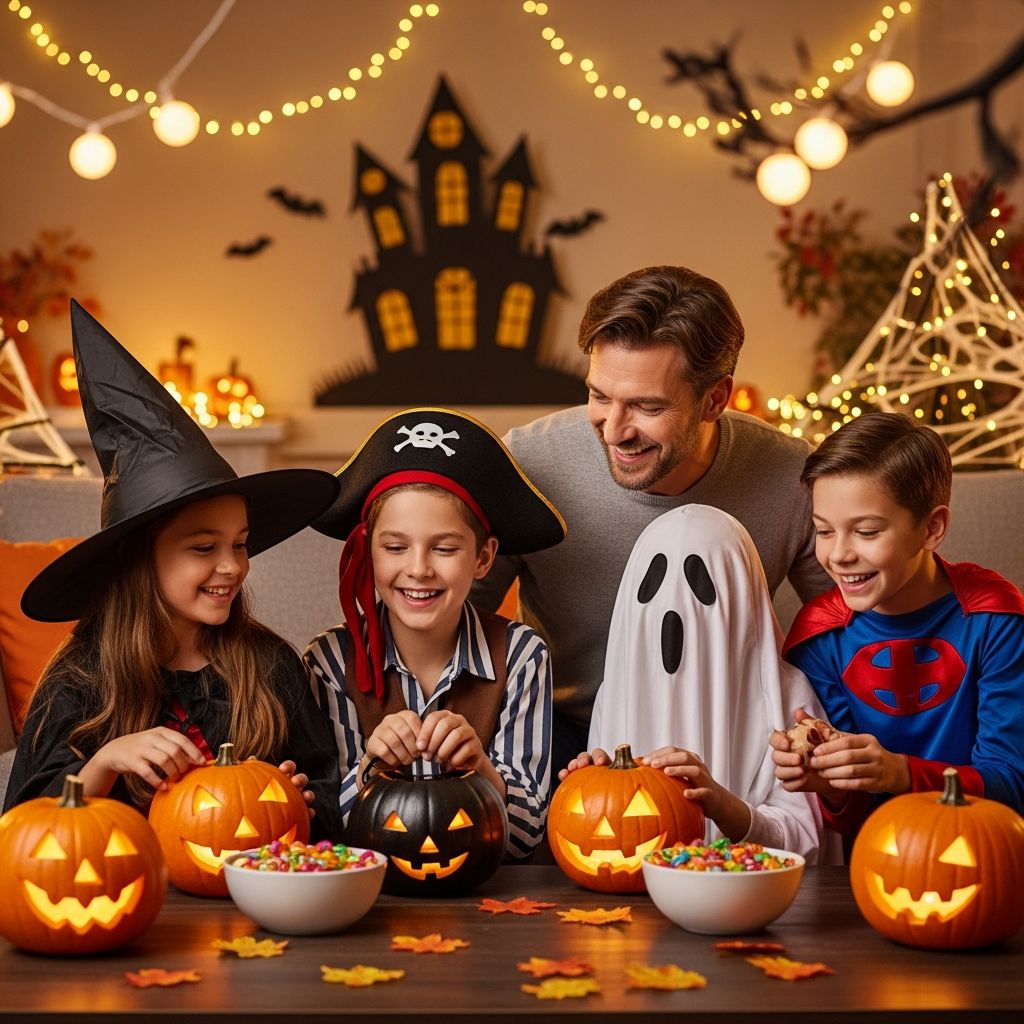
As the spooky season approaches, parents often find themselves searching for entertainment that captures the festive spirit of Halloween without overwhelming young viewers with excessive scares or inappropriate content. The challenge lies in balancing entertainment value with age-appropriate material, ensuring that family movie nights remain enjoyable for everyone involved. This comprehensive guide explores a diverse selection of Halloween-themed entertainment options that cater to different developmental stages and comfort levels.
Understanding Age-Appropriate Selection Criteria
When evaluating Halloween entertainment for children, several factors come into play beyond simple age classifications. The intensity of scary elements, thematic complexity, and runtime all influence whether a particular title will be suitable for a specific child. Different children have varying tolerance levels for suspenseful or mildly frightening content, which is why expert recommendations often provide multiple age suggestions from different perspectives—including what parents recommend, what children typically enjoy, and what developmental experts suggest.
The most helpful viewing guides consider not just the chronological age of the viewer, but also their individual sensitivity to suspenseful storytelling and visual effects. A child who has watched adventure films comfortably may handle slightly spookier content than their age-mate who prefers gentler narratives. This nuanced approach helps families make informed decisions tailored to their specific needs.
Animated Features for Youngest Viewers
For families with toddlers and preschoolers, animated offerings provide bright, colorful alternatives that maintain Halloween themes without genuinely frightening elements. These selections typically feature friendly characters, simple storylines, and reassuring narratives where any conflicts resolve quickly and positively.
Gentle Giant Productions include titles where anthropomorphic animals encounter mildly spooky situations that resolve through friendship and teamwork. These films teach valuable lessons about facing minor challenges while maintaining an overall lighthearted tone. The visual style of computer animation in many of these offerings makes potentially scary scenarios feel manageable for very young audiences.
Classic Character Reimaginings take beloved storybook characters and place them in Halloween-adjacent adventures. These productions leverage existing character recognition and established narratives, providing comfort through familiarity while introducing Halloween elements gradually. Children already accustomed to these characters find the Halloween versions accessible and enjoyable.
Superhero and Adventurer Stories adapted for younger viewers frequently incorporate Halloween themes through costume changes, monster encounters, or supernatural elements. The emphasis remains on heroic problem-solving and positive outcomes, allowing children to enjoy the festive atmosphere without sustained tension.
Transitional Entertainment for Early Elementary Ages
As children enter early elementary school, their tolerance for more complex narratives and slightly more intense scenarios expands. Entertainment in this range often introduces genuinely spooky atmospheres while maintaining resolutions that emphasize safety and triumph.
Magical Adventure Films blend Halloween aesthetics with fantasy elements, creating worlds where magic systems and supernatural occurrences feel wondrous rather than threatening. These narratives typically feature protagonists who must understand and navigate magical situations, providing intellectual engagement alongside entertainment value.
Comedy-Horror Hybrids utilize humor as a tool to defang traditionally scary concepts. By presenting spooky situations through a comedic lens, these films teach children that frightening things can be approached with levity and confidence. The humor often works on multiple levels, providing entertainment for both children and supervising adults.
Misunderstood Monster Narratives challenge traditional villain archetypes by presenting supposedly scary creatures as misunderstood, lonely, or fundamentally good-hearted. These stories promote empathy while allowing children to engage with spooky imagery and characters in emotionally safe contexts.
Adventure-Forward Options for Older Elementary Viewers
Children in the eight to ten-year range typically welcome more sophisticated storytelling, complex character development, and genuine stakes within their entertainment. At this developmental stage, viewers can appreciate narratives where conflict exists and matters, without requiring every resolution to be instantaneous or simplistic.
Portal Fantasy Adventures transport characters to alternate realms where Halloween rules and aesthetics dominate. These narratives allow protagonists to grow through their experiences in unfamiliar worlds, teaching resilience and adaptability. The fantastical setting provides psychological distance that helps some viewers engage more comfortably with spooky elements.
Mystery-Driven Narratives engage older elementary viewers’ developing critical thinking skills. Stories that present puzzles, hidden information, and revelations keep audiences mentally engaged rather than emotionally overwhelmed. As children work to solve mysteries alongside characters, they maintain agency and forward momentum in the narrative.
Ensemble Cast Productions featuring diverse character perspectives allow viewers to identify with protagonists most similar to themselves. When multiple characters respond differently to frightening situations, children can observe various coping strategies and emotional responses represented on screen.
Specialized Series Episodes and Short-Form Content
Beyond feature-length films, television episodes and shorter content pieces offer distinct advantages for family viewing. Episodes fit more easily into daily schedules, can be watched across multiple sittings, and often feature characters children already know and love from regular viewing.
Established Character Series Halloween Specials take beloved characters from regular programming and place them in Halloween-themed adventures. Because audiences have existing relationships with these characters and understand their typical behavior patterns, special episodes feel like welcoming visits rather than introductions to unfamiliar worlds. The creative teams behind these series understand their audience demographics intimately, ensuring appropriate content levels.
Educational Programming Integration presents Halloween themes through established educational frameworks. Programming designed primarily to teach—whether through science, social skills, reading comprehension, or history—incorporates Halloween elements as engaging thematic tools rather than content foundations. This approach often results in compelling entertainment that simultaneously supports developmental learning.
Anthology and Episodic Formats allow viewers to sample different Halloween scenarios across multiple episodes. This format provides variety and prevents narrative fatigue, as each episode offers a distinct story. Viewers who find particular episodes concerning can easily skip ahead to different stories without abandoning the entire series.
Streaming Platform Availability Considerations
Different streaming services maintain varying libraries of Halloween-themed family content. While major entertainment platforms offer substantial Halloween selections during the autumn season, availability can shift throughout the year based on licensing agreements and production schedules.
Dedicated Disney Content benefits from extensive film and television production spanning decades. The Disney ecosystem includes classic animated features, original television movies, and contemporary productions, many explicitly designed for family Halloween viewing. Disney+ particularly concentrates Halloween-appropriate content during autumn months.
Family-Focused Streaming Services curate content specifically for family audiences, applying consistent standards across their libraries. These platforms often organize content by age appropriateness, making selection easier for parents seeking age-specific recommendations.
Network-Specific Programming on platforms like Amazon Prime Video encompasses selections from multiple sources, including television networks that produce significant family programming. This diversity allows comprehensive searching across productions from different creators with varying target demographics.
Practical Viewing Preparation Tips
Beyond selecting appropriate content, several preparation strategies enhance the family viewing experience during Halloween season entertainment marathons.
Preview Relevant Content before family viewings allows parents to identify potentially problematic scenes and prepare children with context or warnings. Brief explanations of upcoming scenarios can normalize concerns and prepare children emotionally for what they’ll witness.
Create Accompanying Comfort Systems such as blankets, stuffed animals, or proximity to trusted adults. Physical comfort resources can help younger viewers manage mildly intense emotions during viewing. The psychological security of familiar comfort objects often allows children to engage with slightly more challenging content than they might attempt independently.
Establish Clear Viewing Boundaries and permission structures beforehand. When children understand which content is permitted and why certain selections are restricted, decision-making becomes less fraught. Clear frameworks prevent mid-viewing disputes about appropriateness and teach children about reasoned content selection criteria.
Plan Discussion Time Following Viewings to process emotions, clarify plot elements, and address concerns. Post-viewing conversations help children integrate what they’ve experienced and provide opportunities for parents to address specific reactions or misunderstandings.
Seasonal Scheduling and Marathon Planning
Halloween entertainment works best when distributed across the entire season rather than concentrated in final days before Halloween itself. Strategic scheduling provides variety, prevents viewer fatigue, and allows families to enjoy the extended autumn atmosphere.
Progressive Intensity Approaches involve scheduling gentler content early in the season, gradually introducing slightly spookier selections as October progresses. This approach allows viewers to acclimate to increasingly Halloween-focused themes while maintaining comfort throughout the season.
Themed Viewing Blocks organize content by type rather than intensity. Families might designate specific evenings for animated films, other nights for live-action content, and still others for episodic television. This variety prevents monotony and allows audiences to anticipate and prepare for different viewing experiences.
Multi-Family Viewing Events often benefit from mixed-age content selections that offer something for everyone. Gentle productions with clever humor satisfy younger viewers while amusing adults, creating shared entertainment experiences that strengthen family bonds.
Addressing Individual Sensitivities and Preferences
Not every child enjoys Halloween-themed entertainment equally, and forcing engagement with uncomfortable content serves no purpose. Recognizing and respecting individual preferences creates more positive seasonal experiences overall.
Alternative Thematic Entertainment for children who prefer non-spooky autumn content includes harvest celebrations, adventure narratives set during autumn, and stories featuring autumn aesthetics without supernatural elements. These alternatives honor the seasonal atmosphere while accommodating different comfort levels.
Gradual Exposure Strategies for children interested in expanding their tolerance involve careful progression through increasingly challenging content. Starting with gentle introductions and advancing only when comfortable prevents overwhelming reactions and builds genuine appreciation for slightly spookier material over time.
Collaborative Selection Processes where children participate in choosing viewing options increases investment and engagement. When children help select content, they take ownership of their entertainment experiences and feel empowered in family decision-making.
Creating Balanced Entertainment Experiences
The goal of family Halloween entertainment extends beyond simply occupying children during autumn evenings. Quality viewing experiences create memories, teach emotional regulation through engaging with mildly challenging content, and reinforce family traditions and shared values.
By thoughtfully selecting age-appropriate options, preparing children for viewing experiences, and maintaining open communication about content and reactions, families transform Halloween entertainment into meaningful seasonal activities. The diversity of available content ensures that every family member finds engaging options suitable to their developmental stage and comfort level, making the entire season more enjoyable for everyone involved.
References
- Children’s Media and Academic Performance: A Longitudinal Study — American Academy of Pediatrics. 2023-11-15. https://www.aap.org/en/news-and-media/aap-voices/
- Screen Media Guide for Children and Families — Common Sense Media. 2024-06-20. https://www.commonsensemedia.org/articles/screen-time-guidelines-for-families
- Developmental Approaches to Age-Appropriate Media Consumption — American Psychological Association. 2024-03-10. https://www.apa.org/science/about/psa/media-children
- Family Viewing Patterns and Seasonal Entertainment Selection — Journal of Children and Media. 2024-09-01. https://journals.sagepub.com/home/chm
- Understanding Content Ratings and Parental Controls — Entertainment Software Rating Board. 2024-04-15. https://www.esrb.org/
Similar Articles





Read full bio of medha deb