Family-Friendly Halloween Entertainment Guide
Discover age-appropriate spooky entertainment for every family member this season.
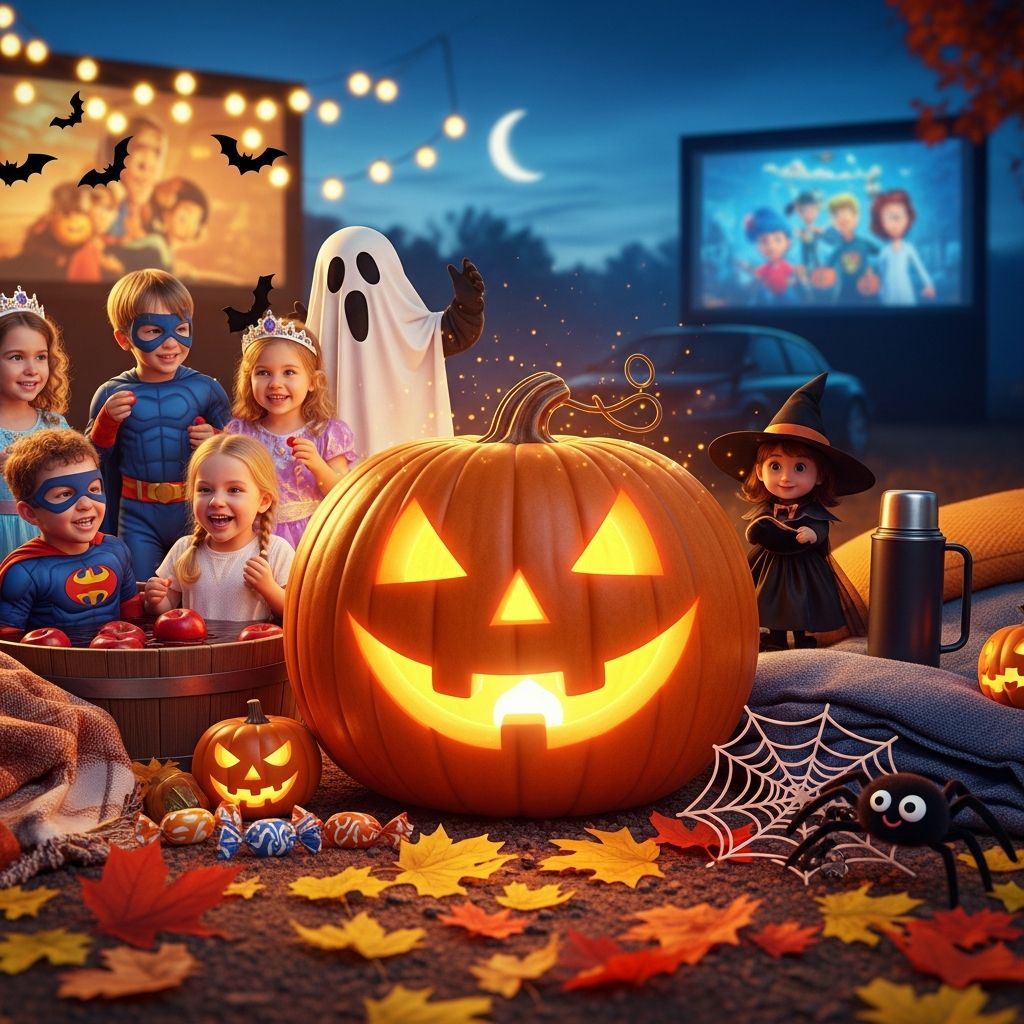
The season of autumn leaves, carved pumpkins, and festive decorations brings with it an opportunity for families to gather and enjoy entertainment together. However, choosing appropriate films for different developmental stages can be challenging. This comprehensive guide addresses the need for curated viewing options that deliver the spirit of Halloween without causing unnecessary distress to younger viewers while still providing genuine entertainment value for older children and teenagers.
Understanding Age-Appropriate Entertainment Selections
When planning family entertainment around the Halloween season, recognizing the developmental differences among children becomes essential. Young children process visual and auditory information differently than older kids, and their ability to distinguish fantasy from reality continues to evolve throughout their early years. Parents and guardians benefit from having organized resources that clearly identify which films work best for specific age ranges, taking into account factors such as intensity level, narrative complexity, and visual presentation.
The selection process should prioritize films that capture the festive essence of the season while remaining sensitive to a child’s emotional maturity. Movies that achieve this balance often feature magical elements, gentle humor, and narratives focused on friendship, family, and personal growth rather than horror-driven plots.
Toddlers and Preschool-Aged Viewers (Ages 2-5)
Children in the youngest age group benefit from films with bright animation, simple storylines, and minimal conflict. At this developmental stage, children are still establishing their understanding of cause and effect, and they respond well to repetitive structures and familiar character types.
Animated Classics That Work Well
- Traditional adaptations of beloved tales: Animated versions of classic literature offer the advantage of visual storytelling that young children can follow easily. These films typically feature colorful settings and straightforward narratives without complex subplots.
- Short-form television episodes: Disney Junior productions specifically designed for young audiences provide excellent alternatives to feature-length films. Episodes like Doc McStuffins and Handy Manny seasonal specials deliver contained stories perfect for shorter attention spans.
- Stop-motion and puppet-based entertainment: Films utilizing stop-motion techniques often appeal to younger viewers due to their tactile, three-dimensional quality that feels more concrete than traditional animation.
- Musical storytelling: Movies that emphasize music and song tend to hold the attention of preschoolers more effectively than dialogue-heavy narratives.
Content Characteristics for This Age Group
Films appropriate for this age bracket should feature positive character relationships, clear resolution of conflicts, and endings that reinforce safety and togetherness. The pacing should remain steady without rapid cuts or overstimulating visual effects. Sound design becomes particularly important, as sudden loud noises can startle young viewers unnecessarily.
Early Elementary-Aged Children (Ages 6-8)
As children enter school and develop stronger cognitive abilities, they can process more complex narratives and handle slightly higher levels of tension. This age group begins to appreciate humor based on wordplay and situational comedy, and they can follow storylines with multiple threads and minor obstacles.
Films Featuring Mystery and Adventure
- Adventure narratives with mild obstacles: Stories involving young protagonists overcoming challenges through cleverness or teamwork resonate well with this age group. These films allow children to vicariously experience problem-solving in a safe context.
- Animated features with magical settings: Films set in fantastical worlds with clear rules and logical progressions appeal to children’s developing sense of how stories work. These environments allow for creative visual storytelling without relying on frightening imagery.
- Films based on beloved book series: Adaptations of well-known children’s literature provide comfortable entry points, as kids may already be familiar with characters and settings through reading.
Introducing Slightly Spooky Elements
At this developmental stage, children can begin to appreciate genuinely spooky aesthetics without experiencing significant distress. The key remains maintaining a tone that balances spookiness with humor and heart. Films that feature Halloween imagery—pumpkins, costumes, friendly ghosts—in a celebratory rather than menacing context work particularly well.
Older Elementary and Middle School Viewers (Ages 9-12)
This age group possesses the cognitive ability to appreciate more sophisticated plotting, character development, and thematic complexity. Children at this level can handle genuine suspense and are beginning to understand that fictional horror exists within a constructed context separate from reality.
Adventure and Fantasy Films
- Fantasy film series with established worlds: Multi-film franchises allow viewers to become invested in characters and settings over time. The continuity across films provides a sense of progression and investment in outcomes.
- Animated films with darker aesthetic qualities: Stop-motion and computer animation can employ genuinely Gothic visual elements while maintaining fundamentally optimistic narratives. These films often appeal to children’s emerging appreciation for artistic style.
- Films featuring young protagonists in challenging situations: Stories where child characters demonstrate courage and resourcefulness resonate with this age group’s own evolving sense of capability and independence.
Incorporating Genuine Tension
Movies appropriate for this age range can include scenes of genuine suspense and threat, provided that the narrative structure ensures positive resolution and character growth. The emphasis shifts from simple good-versus-evil dynamics to more nuanced conflict where characters must make meaningful choices and learn from their experiences.
Teenagers and Young Teens (Ages 13+)
Adolescents can engage with sophisticated storytelling, moral ambiguity, and complex character motivations. This age group begins to appreciate films as artistic statements and can discuss thematic elements, cinematography, and directorial choices with increasing sophistication.
Films with Mature Themes
- Character-driven narratives: Stories that focus on internal character development and emotional journeys appeal to teenagers’ expanding self-awareness and social consciousness.
- Films exploring coming-of-age themes: Movies that address adolescent challenges—belonging, identity, family relationships—resonate deeply with this developmental stage.
- Fantasy and adventure with darker tone: Films that don’t shy away from genuine stakes and consequences can be appreciated by teenagers as sophisticated entertainment rather than simple escapism.
Beginning Exposure to Contemporary Horror-Adjacent Films
Teenagers may be ready for films that approach genuine horror territory, though this varies significantly based on individual sensitivity and family values. Films that have achieved mainstream recognition and critical acclaim—particularly those that balance scares with humor or character-focused storytelling—can be appropriate entry points for older teens.
Streaming Platform Availability and Accessibility
Modern families have access to diverse streaming services that regularly feature seasonal content. Major platforms including Disney+, Netflix, Amazon Prime Video, and others maintain dedicated sections for family-friendly entertainment during the Halloween season. Understanding which services offer specific titles can streamline the selection process.
Platform-Specific Recommendations
| Streaming Service | Best For Age Group | Notable Availability |
|---|---|---|
| Disney+ | All ages, particularly 4-12 | Disney animated classics, original family films |
| Netflix | 6 and up | Animated features, original content |
| Amazon Prime Video | All ages | Extensive catalog including classics |
| Peacock | Varied by title | Nostalgic favorites, contemporary releases |
| YouTube | All ages | Free clips and full-length films |
Creating Viewing Guidelines for Your Household
Establishing clear criteria for film selection helps parents make consistent decisions. Consider creating a household rating system that reflects your family’s values and comfort levels. This might include categories such as visual intensity, emotional impact, and thematic appropriateness.
Factors to Consider
- Visual presentation: Assess whether the film relies on jump scares, grotesque imagery, or more subtle atmospheric elements for its spooky qualities.
- Narrative structure: Consider whether conflicts are resolved positively and whether the film reinforces values important to your family.
- Character behavior: Examine how characters treat one another and whether positive social interactions are modeled.
- Pacing and runtime: Consider whether the film’s length and pacing match your child’s attention span and energy level.
Frequently Asked Questions About Halloween Film Selection
How can I tell if a movie will be too scary for my child?
The most reliable approach involves researching the film beforehand through parent-focused review sites, watching trailers, or viewing the film yourself before showing it to your child. Pay particular attention to user reviews that discuss specific scenes and their emotional impact. Consider your individual child’s temperament and prior reactions to similar content.
Are older films still appropriate for modern children?
Many films from previous decades remain excellent choices for family viewing. Animation techniques, storytelling approaches, and thematic elements from classic films often hold up well. The main consideration involves discussing cultural contexts that may have changed, but these conversations can provide valuable teaching opportunities.
Should I watch films with my children or allow independent viewing?
Co-viewing provides opportunities for discussion, reassurance during potentially intense moments, and shared enjoyment. For younger children, parental presence during films can help contextualize potentially confusing or startling moments. Even older children benefit from having an adult available to pause and discuss concerns.
How do ratings systems work for different platforms?
Content rating systems vary by country and platform. The Motion Picture Association ratings (G, PG, PG-13, R) represent one standard, while streaming services often use their own systems. Familiarizing yourself with these systems helps in making informed decisions. Age ranges suggested by platforms typically reflect content intensity rather than absolute developmental appropriateness.
Building a Balanced Seasonal Entertainment Plan
Rather than viewing Halloween entertainment as a single event, consider creating a broader plan that spans the autumn season. This might include weekly family movie nights, special viewings for specific occasions, and a mix of new discoveries and cherished favorites.
Structuring Your Viewing Calendar
Begin October with gentler, lighter fare and progressively introduce slightly more intense options as the month progresses. This approach allows children to acclimate gradually to seasonal themes while maintaining excitement and anticipation. Include a mix of traditional favorites and new titles to balance nostalgia with discovery.
Reserve viewing nights specifically for Halloween-themed entertainment, creating intentional space for this seasonal tradition within your family’s broader entertainment schedule. This deliberate structuring helps children understand that Halloween content represents a contained, temporary portion of the year rather than an ongoing experience.
The Value of Shared Family Entertainment
Selecting and watching appropriate entertainment together strengthens family bonds and creates lasting memories. The process of choosing films, discussing options, and enjoying them as a group provides opportunities for connection that extend beyond the films themselves. These shared experiences become part of family traditions and childhood memories.
Taking time to thoughtfully select entertainment that works for everyone in the household demonstrates respect for each family member’s needs and comfort levels. This approach supports the development of media literacy skills while ensuring that seasonal celebrations remain genuinely enjoyable for all participants.
References
- Motion Picture Association Film Rating System — Motion Picture Association. https://www.filmratings.com/
- Common Sense Media: Age-Based Movie Reviews and Ratings — Common Sense Media, Inc. https://www.commonsensemedia.org/
- American Academy of Pediatrics: Media and Children — American Academy of Pediatrics. https://www.aap.org/en/patient-care/healthy-living/media-use/
Similar Articles





Read full bio of medha deb