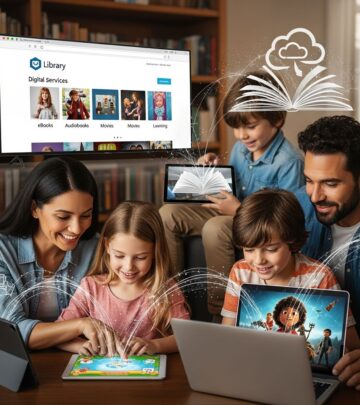
Family-Friendly Entertainment: Quality Kids Content Across UK Platforms
Explore premium children's programming accessible through major UK streaming services

The landscape of children’s entertainment has undergone a dramatic transformation over the past decade, with streaming services becoming the primary method through which families access television content. Parents and guardians today face both unprecedented choice and the challenge of navigating multiple platforms to find suitable, age-appropriate programming for their children. Understanding what content is available, where to find it, and which shows offer genuine educational or entertainment value has become an essential part of modern parenting and family leisure time.
The Expansion of Digital Children’s Programming
The shift from traditional broadcast television to on-demand streaming has fundamentally changed how families consume children’s content. Rather than being bound by fixed schedules and programming blocks, viewers can now access thousands of hours of children’s shows and films at any time, from any location with an internet connection. This flexibility has enabled families to create customized viewing experiences tailored to their children’s age groups, interests, and learning requirements.
Major streaming platforms operating within the United Kingdom have recognized the importance of robust children’s content libraries. These services have invested significantly in acquiring, producing, and licensing programming that appeals to various age demographics, from toddlers requiring gentle, educational content to older children seeking entertainment that challenges their intellect and creativity. The availability of such diverse programming across multiple platforms means that families have genuine choice in what they watch and which services best suit their needs.
Understanding Content Classification and Age Appropriateness
One of the primary concerns for parents selecting children’s programming is ensuring that content matches their child’s developmental stage and maturity level. Streaming platforms utilize content classification systems designed to provide guidance on age suitability, although these systems vary somewhat between services and regions. Understanding these classifications helps parents make informed decisions about which shows are appropriate for their children.
Content classifications typically range from programming suitable for very young viewers, which often includes shows featuring minimal dialogue and gentle storytelling, to programming designed for older children that may contain mild humor involving wordplay, light-hearted adventures, or more complex narratives. Some platforms provide additional descriptors indicating specific content elements such as violence levels, language considerations, or themes that might warrant parental guidance.
Educational Value and Developmental Benefits
Beyond entertainment, many children’s programs available on streaming platforms incorporate educational elements designed to support cognitive, social, and emotional development. Shows may focus on language development, mathematical concepts, scientific principles, social skills, emotional intelligence, or cultural literacy. Parents seeking programming that provides genuine learning value can identify such shows through platform descriptions, parental reviews, and content rating systems.
Research suggests that quality children’s programming can reinforce learning objectives taught in educational settings, expose children to diverse perspectives and cultures, and provide opportunities for discussion between parents and children about program content. Selecting shows with demonstrable educational merit represents one way that families can maximize the value of screen time while ensuring entertainment remains engaging and age-appropriate.
Navigating Multiple Streaming Platforms
UK families typically have access to several major streaming platforms offering children’s content. Each service maintains distinct programming libraries, exclusive original productions, and different pricing structures. Understanding what each platform offers helps families make decisions about which services justify subscription costs or which free offerings merit consideration.
Some platforms operate primarily through subscription models, requiring monthly or annual payments for access to entire content libraries. Others offer free, ad-supported viewing options or free access to specific content categories. Several platforms provide limited free access to certain shows while reserving premium content for paid subscribers. The combination of these various models means that families with different budgets and viewing preferences can find suitable options.
Free and Accessible Content Options
For families seeking children’s entertainment without additional subscription costs, several options exist within the UK streaming ecosystem. Public service broadcasters provide substantial libraries of children’s content at no cost through their streaming platforms, funded through existing television license fees. These services represent genuinely free access without advertisements or subscription requirements for viewers with valid television licenses.
Additionally, some commercial streaming platforms periodically offer free access to portions of their children’s libraries, either permanently or as promotional offerings. These free content initiatives may be available to all viewers or restricted to specific user categories. Families should regularly review platform offerings, as free content availability frequently changes based on licensing agreements and promotional strategies.
| Platform Category | Primary Characteristics | Typical Content Focus |
|---|---|---|
| Public Service Broadcasting | Free access with license fee funding | Educational, diverse age groups, original productions |
| Subscription-Based Services | Monthly/annual payment required | Exclusive content, original series, film libraries |
| Hybrid Services | Free content plus premium tier option | Varied content with tiered access |
| Channel-Specific Services | Focused on particular content type | Specialized programming, animation, or specific genres |
Genres and Programming Types Available
Children’s streaming content encompasses diverse genres and formats, each serving different entertainment and educational purposes. Animated series represent a significant portion of available programming, ranging from vibrant, fast-paced adventures to thoughtful, character-driven storytelling. Animation appeals to young viewers through visual engagement and often incorporates humor that resonates across age groups.
Live-action children’s programming offers different storytelling approaches, frequently emphasizing real-world settings, practical skills, or social scenarios. Documentaries and factual programming provide opportunities for children to learn about natural sciences, geography, history, and animal behavior. Reality-based shows sometimes feature children themselves, allowing young viewers to see age-appropriate role models engaged in various activities and challenges.
Comedy-focused programming deliberately emphasizes humor appropriate for younger audiences, often avoiding more sophisticated adult comedy while maintaining entertainment value that appeals to parents supervising the viewing. Adventure and fantasy programming captures children’s imagination through elaborate world-building and character development. Educational programming specifically designs content to teach academic subjects, social skills, or practical life abilities through engaging narratives and interactive storytelling.
Practical Considerations for Parent and Guardians
Selecting appropriate children’s entertainment requires consideration of multiple factors beyond simple age ratings. Parents should consider viewing habits and how much time their children spend watching streaming content relative to other activities. Establishing healthy media consumption patterns involves setting reasonable limits and ensuring that screen time doesn’t displace physical activity, face-to-face social interaction, or other developmental activities.
Co-viewing represents an effective strategy for maximizing the value of children’s programming. When parents watch alongside their children, they can provide context, answer questions, extend learning concepts into real-world applications, and discuss program content meaningfully. This parental involvement transforms passive viewing into interactive learning opportunities while strengthening family connections.
Reviewing platform settings and parental control options helps families manage what content their children can access. Most major streaming services provide password protection, content filtering by age rating, and account restrictions that allow parents to customize their children’s viewing experience while maintaining security and preventing unauthorized access or inappropriate content discovery.
Quality Indicators for Children’s Programming
Several factors can indicate whether children’s content represents quality programming worthy of investment and viewing time. Shows with consistent character development, coherent narratives, and thoughtful storytelling generally provide more substantial entertainment value than programming emphasizing only spectacle or stimulation. Content that encourages viewer participation, poses problems for characters to solve, or presents moral dilemmas invites children to engage intellectually with the material.
Production values matter significantly, as well-produced content with clear audio, appropriate pacing, and intentional visual design demonstrates greater care in creation. Programming featuring diverse characters, inclusive representation, and multicultural perspectives exposes children to varied human experiences and helps develop cultural competency. Shows that avoid stereotypes and present positive representations of different groups contribute meaningfully to children’s understanding of the wider world.
Critical reception and awards recognition, while not guarantees of quality, provide useful indicators of programming that has impressed industry professionals and viewers alike. However, parents should recognize that their own values, family preferences, and their specific children’s interests ultimately determine whether particular programming represents good viewing choices, regardless of external validation.
Building Personalized Family Viewing Collections
Rather than allowing children unlimited access to entire platform libraries, many families benefit from curating personalized collections of shows appropriate for their household. This might involve creating watchlists within platform applications, bookmarking favorite shows, or maintaining personal lists of recommendations. Organized approaches to platform navigation help children find appropriate content independently while preventing accidental exposure to unsuitable material.
Discussing programming choices with children helps them develop media literacy skills and critical thinking about entertainment. Asking children about what they enjoyed in a particular show, what they found funny, or how they felt about character decisions encourages reflection on media content and develops analytical capabilities applicable beyond entertainment contexts.
Seasonal and Ongoing Programming Considerations
Children’s entertainment platforms frequently rotate content offerings, adding new shows while occasionally removing previously available programming. Families should remain aware that favorite content might become unavailable on particular platforms, though it may appear on others. Checking platform updates regularly helps families stay informed about new additions and can inspire discovery of shows they might not have found otherwise.
Many children’s shows follow traditional broadcast patterns with seasonal releases, meaning new episodes may appear at specific times rather than all at once. Understanding these release patterns helps families plan viewing and avoid disappointment when expected content isn’t immediately available. Some platforms offer entire series simultaneously, while others release content episodically, creating different viewing patterns and engagement opportunities.
Balancing Entertainment with Healthy Media Habits
While streaming platforms offer exceptional convenience and vast content libraries, parents should remember that quality children’s entertainment serves best as part of a balanced lifestyle including physical activity, outdoor play, creative pursuits, and face-to-face social interaction. Intentional media choices and conscious consumption patterns help families maximize entertainment benefits while maintaining healthy development.
Establishing consistent routines around screen time, designating media-free periods or spaces, and encouraging alternative activities helps prevent excessive viewing while allowing children to benefit from quality programming. Teaching children to make thoughtful viewing selections rather than passive consumption develops media literacy skills valuable throughout their lives.
Looking Forward in Children’s Streaming Entertainment
The children’s entertainment landscape continues evolving as platforms invest in original content production, licensing agreements shift, and technology enables new interactive and immersive viewing possibilities. Families that stay informed about available options, evaluate content thoughtfully, and maintain intentional viewing practices position themselves to benefit from these developments while protecting their children’s wellbeing and healthy development.
Frequently Asked Questions About Children’s Streaming Content
What age rating systems do UK streaming platforms use?
UK streaming services typically employ the BBFC (British Board of Film Classification) ratings system or platform-specific age guidance. BBFC ratings include U (Universal), PG (Parental Guidance), 12A/12, 15, 18, and restricted categories. Streaming platforms often provide additional descriptive guidance beyond ratings to help parents make informed decisions.
Are there any completely free children’s streaming options available in the UK?
Yes, public service broadcasting platforms provide free children’s content through license fee funding. Additionally, some commercial platforms offer free content tiers or temporary free access to specific programming. Many shows are available across multiple platforms with different access models.
How can I prevent my child from accessing inappropriate content on streaming platforms?
Most UK streaming services offer parental control features including password protection, content filtering by age rating, and account restrictions. Setting these controls appropriately helps manage what content children can independently access while maintaining security.
What should I look for when selecting quality children’s programming?
Quality indicators include consistent character development, coherent storytelling, positive representation, thoughtful production values, educational elements when applicable, and content that encourages viewer engagement rather than passive consumption. Critical reception and platform reviews provide additional guidance.
How often does children’s content availability change on streaming platforms?
Content availability changes regularly as licensing agreements expire and platforms acquire new programming. Checking platforms monthly helps identify new additions and track removals. Some shows remain available indefinitely while others rotate based on licensing terms.
References
- Children and Media Use — NHS England. 2023. https://www.nhs.uk/common-health-questions/childrens-health/is-watching-tv-bad-for-my-children/
- BBFC Rating System Guide — British Board of Film Classification. 2024. https://www.bbfc.co.uk/about-us
- Media Literacy and Child Development — Ofcom Communications Authority. 2024. https://www.ofcom.org.uk/research-and-data/media-literacy-research
- Screen Time and Wellbeing in Children — The Royal College of Paediatrics and Child Health. 2023. https://www.rcpch.ac.uk/resources/guide-screen-time-infants-children-young-people-and-families
- Public Service Broadcasting Framework — Ofcom Broadcast Standards. 2024. https://www.ofcom.org.uk/broadcasting/television/tv-standards
Similar Articles








Read full bio of medha deb