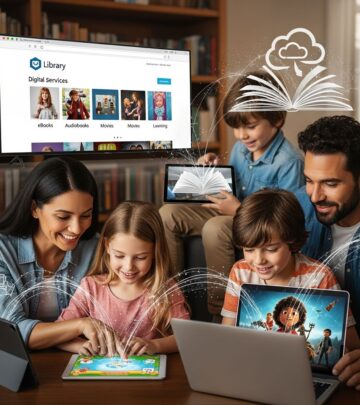
Family-Friendly Streaming: Quality Children’s Content Available Free
Discover premium children's programming available through accessible streaming platforms
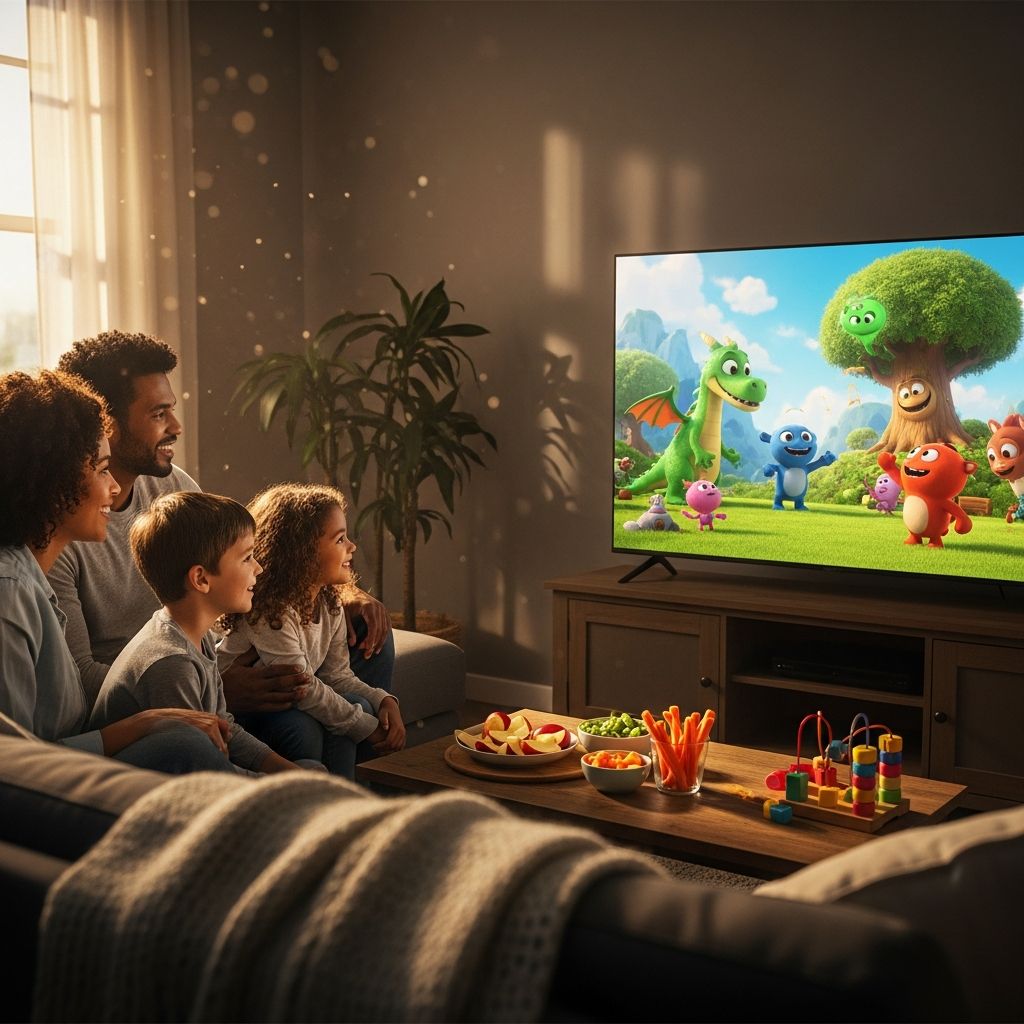
In today’s digital landscape, finding quality entertainment for children doesn’t require expensive subscription fees or navigating through cluttered interfaces filled with advertisements. Many families are discovering that accessible streaming platforms offer substantial libraries of professionally produced children’s programming, ranging from animated series to educational documentaries. The availability of curated, family-friendly content through these platforms represents a significant shift in how households consume entertainment, particularly for younger viewers whose developmental stages require age-appropriate material.
The Evolution of Children’s Programming Access
The traditional model of children’s entertainment relied heavily on scheduled television broadcasts and physical media purchases. Over the past decade, streaming services have revolutionized content delivery, making it possible for families to access entertainment on-demand. This transformation has democratized access to quality programming, allowing households regardless of geographic location or economic status to benefit from professionally produced content. Public and community-supported broadcasting initiatives have adapted to this shift, ensuring that educational and culturally valuable programming remains freely accessible to Canadian families.
The transition from broadcast-only models to hybrid streaming approaches has expanded the reach of children’s content significantly. Families can now integrate viewing into their schedules more flexibly, supporting different bedtime routines, travel situations, and learning preferences. This accessibility has proven particularly valuable for households seeking programming that supports educational objectives while maintaining entertainment value.
Understanding Platform-Based Content Libraries
Major streaming platforms dedicated to family entertainment maintain extensive libraries designed specifically for younger audiences. These collections typically include animated series, live-action programming, nature documentaries, and educational content spanning multiple genres and learning styles. The organization of these libraries reflects careful curation, with content categorized by age group, subject matter, and educational value.
Public broadcasting organizations have established themselves as leaders in creating content that balances entertainment with educational merit. Their streaming platforms feature programming developed through rigorous creative processes and educational consultation, ensuring that viewers gain knowledge and social-emotional development alongside entertainment. The commitment to advertising-free experiences on these platforms reflects a philosophy that children deserve content consumption free from commercial manipulation and distraction.
Diverse Content Categories Available to Young Viewers
Animated Series and Educational Programs
Animated programming forms a substantial portion of freely available children’s content. These series range from traditional drawn animation to modern computer-generated imagery, with narratives addressing themes appropriate to various developmental stages. Educational animation frequently incorporates literacy concepts, mathematical thinking, scientific exploration, and social-emotional learning into storylines that engage young viewers. The production quality of these programs often matches or exceeds content available through premium subscription services, demonstrating that free access doesn’t necessitate lower production standards.
Live-Action Drama and Adventure Programming
Beyond animation, accessible streaming platforms feature live-action programming that showcases diverse characters, cultural perspectives, and adventure narratives. These series often involve younger protagonists, making them particularly relatable to child audiences while modeling positive behaviors, problem-solving approaches, and interpersonal dynamics. Production values in live-action children’s programming have improved substantially, with cinematography, scripting, and acting quality reflecting professional standards.
Documentary and Nature-Based Content
Educational documentary programming provides opportunities for children to explore natural science, geography, wildlife, and environmental concepts. These programs frequently feature real-world footage, expert narration, and scientifically accurate information presented in engaging formats suitable for younger viewers. Documentary-style content serves educational purposes while satisfying curiosity about the natural world and human cultures.
Age-Appropriate Content Organization
Effective children’s streaming platforms organize content according to developmental appropriateness, recognizing that viewing needs differ significantly between toddlers, preschoolers, early elementary, and older children. This organizational approach helps parents navigate libraries efficiently and ensures children encounter content matched to their comprehension levels and emotional readiness.
- Toddler and Preschool Content: Programs for this age group emphasize bright colors, simple narratives, language development, and positive social interactions. Content typically runs shorter episodes and features repetitive structures supporting early learning.
- Early Elementary Programming: Shows targeting this group introduce more complex narratives, literacy concepts, beginning mathematical thinking, and problem-solving scenarios while maintaining age-appropriate emotional content.
- Older Children’s Programming: Content for this demographic can address more sophisticated themes, longer narrative arcs, and diverse story genres while maintaining appropriate boundaries on dramatic tension and violence.
Educational Value in Entertainment Context
The distinction between entertainment and education has blurred substantially in modern children’s programming. Contemporary shows frequently weave educational objectives into engaging narratives rather than presenting learning as separate from entertainment. Characters model curiosity, persistence, kindness, and problem-solving approaches that viewers absorb through narrative immersion rather than explicit instruction.
Public broadcasting organizations have long emphasized educational programming, conducting research on viewing outcomes and consulting with educators, developmental psychologists, and subject-matter experts during production. This commitment to educational rigor distinguishes such programming from purely entertainment-focused alternatives, providing parents confidence that children’s viewing time contributes to cognitive and social-emotional development.
Practical Advantages of Ad-Free Viewing Experiences
Advertisement-free streaming represents a significant distinction from traditional broadcast television and many commercial streaming services. The absence of commercial interruption supports sustained viewing engagement, allowing children to remain immersed in narratives without jarring shifts between program content and advertising messages. This uninterrupted experience also prevents exposure to commercial messages promoting sugary foods, toys, or other products targeting child audiences.
The cognitive benefits of ad-free viewing extend beyond immediate convenience. Research in media literacy and child development has documented that advertising exposure influences children’s product preferences, consumption behaviors, and materialistic values. Platforms eliminating this commercial influence support more developmentally supportive media environments.
Building Family Viewing Habits
Establishing healthy media consumption patterns benefits children’s overall development and family dynamics. Quality programming serves as conversation starter material, allowing parents and children to discuss themes, characters, and concepts together. Strategic viewing can support parental guidance of children’s media consumption while maintaining entertainment value.
Parents benefit from understanding available content through platform browsing and utilizing parental guidance information. Many platforms provide detailed content descriptions, age recommendations, and thematic information enabling informed selection. This transparency supports intentional viewing choices rather than default programming.
Accessibility and Inclusion in Children’s Content
Modern children’s programming increasingly reflects diverse family structures, cultural backgrounds, abilities, and perspectives. Inclusive content representation helps all children see themselves reflected in media while exposing viewers to diverse life experiences and perspectives. Many programs feature characters with various abilities, including physical disabilities, neurodevelopmental differences, and sensory processing variations, promoting normalized understanding of human diversity.
Technical Features Supporting Viewer Experience
Streaming platforms designed for families typically incorporate technical features enhancing the viewing experience. Caption and subtitle options support children with hearing differences and language learners. Audio descriptions benefit viewers with visual impairments. Customizable viewing recommendations and parental controls allow families to tailor platform functionality to household preferences and values.
Frequently Asked Questions
What age groups does free children’s streaming typically serve?
Most comprehensive children’s streaming platforms organize content for viewers from toddlers through early adolescence, typically spanning ages two to thirteen. Content within each age category balances educational value with entertainment, featuring narratives and themes appropriate to developmental stages.
Are there any limitations to free children’s streaming libraries?
Free streaming services maintain extensive libraries but may have smaller collections than premium subscription services. However, library size doesn’t necessarily reflect content quality, as curation prioritizes developmental appropriateness and educational value over quantity.
How do parents monitor viewing time and content choices?
Quality streaming platforms include parental control features allowing parents to set viewing time limits, restrict content to specific age categories, and receive information about program themes and content. These tools help families maintain healthy media consumption patterns.
Can children’s streaming content support learning objectives?
Yes, many programs explicitly support literacy, numeracy, science, and social-emotional learning. Parents and educators can strategically select content aligning with specific learning goals while maintaining entertainment value that keeps children engaged.
What makes some children’s programming ad-free?
Public broadcasting organizations and some streaming platforms funded through alternative revenue models (public funding, subscription fees, or grants) operate on business models not dependent on advertising revenue, allowing them to offer ad-free experiences.
Emerging Trends in Family Streaming
Children’s entertainment continues evolving as technology advances and audience preferences shift. Interactive content allowing viewer choice, augmented reality features, and multi-platform experiences represent emerging trends in modern children’s programming. Additionally, platforms increasingly commission original content reflecting contemporary family structures and addressing current social themes relevant to young audiences.
Supporting Quality Children’s Content
Families interested in supporting quality children’s programming can engage with platforms through regular usage, providing feedback about program preferences, and participating in community discussions about content value. Public feedback helps platforms understand audience preferences and reinforces the demand for quality, educational programming.
Conclusion
The availability of quality children’s programming through accessible streaming platforms represents a significant evolution in family entertainment. Free access to professionally produced, educational content eliminates financial barriers to quality media while providing families flexibility in how they integrate viewing into daily routines. The emphasis on age-appropriate content, educational value, and ad-free experiences reflects a commitment to supporting healthy childhood development. As families navigate media consumption choices, leveraging available free platforms offers opportunities for entertainment that simultaneously supports learning, cultural exposure, and positive social-emotional development.
References
- Children’s Media Consumption and Educational Outcomes — Common Sense Media. 2024. https://www.commonsensemedia.org/articles/research-studies
- Public Broadcasting and Child Development: Evidence-Based Programming — Corporation for Public Broadcasting. 2023. https://www.cpb.org/
- Screen Time and Young Children’s Learning: A Systematic Review — American Academy of Pediatrics. 2023-2024. https://publications.aap.org/pediatrics
- Effects of Advertising on Children’s Consumer Behavior — Federal Trade Commission. 2023. https://www.ftc.gov/
- Accessible Design in Educational Media — World Wide Web Consortium (W3C). 2024. https://www.w3.org/WAI/
Similar Articles








Read full bio of Sneha Tete