Psychological Horror Films Exploring Mental Breakdown
Explore haunting cinema that documents the fractured mind and psychological unraveling
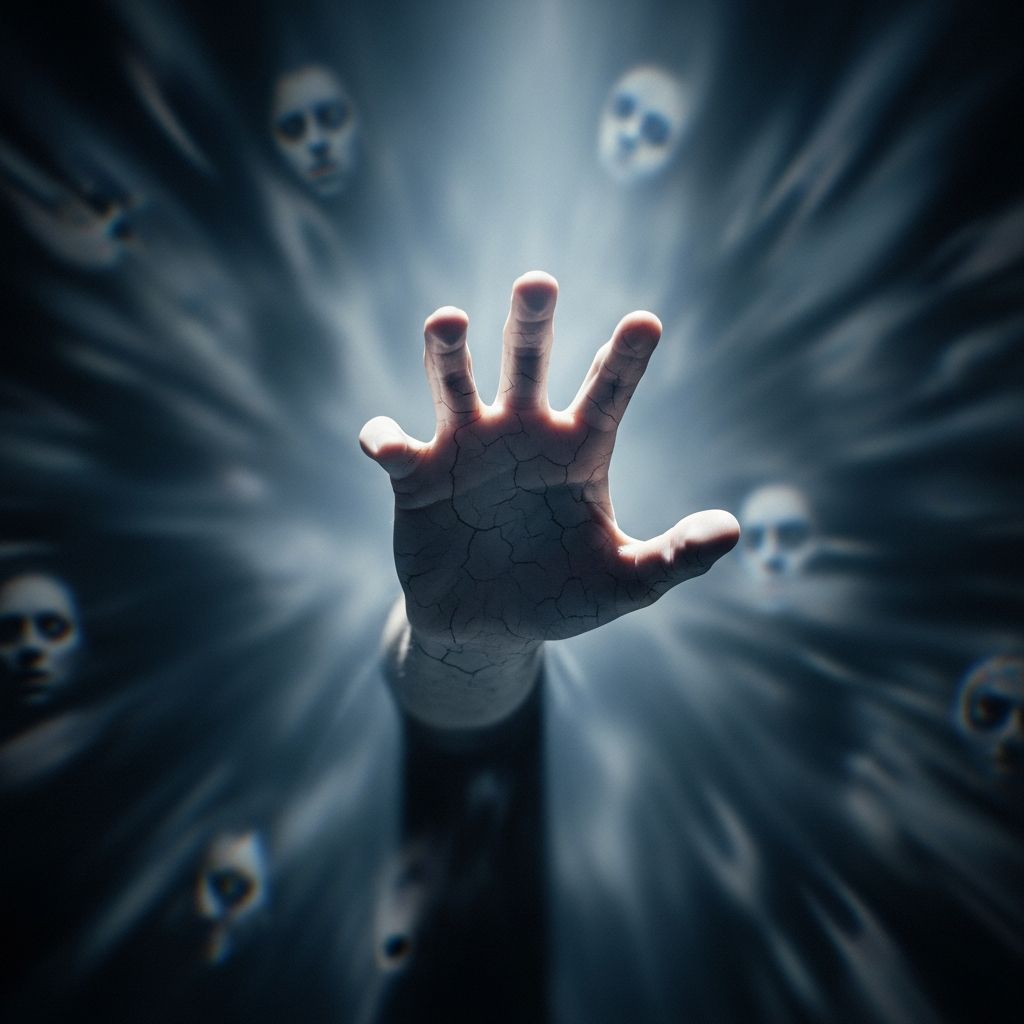
The exploration of psychological deterioration has long fascinated filmmakers seeking to capture the unsettling journey of characters losing their grip on reality. Rather than relying on supernatural elements or jump scares, these carefully crafted narratives delve into the darker recesses of human consciousness, presenting audiences with intimate portraits of individuals unraveling under the weight of trauma, isolation, or circumstance. The Criterion Channel, a curated streaming platform specializing in exceptional cinema, houses numerous examples of this genre, offering viewers access to films that challenge conventional storytelling while examining the fragile nature of mental stability.
Understanding Psychological Horror as a Cinematic Genre
Psychological horror distinguishes itself from traditional horror cinema through its focus on internal conflict rather than external threats. These films operate through suggestion, atmosphere, and the deteriorating mental state of their protagonists. Instead of relying on monster designs or gore, psychological horror examines the mechanics of human perception, memory, and rationality. Filmmakers working within this space understand that the most terrifying scenarios emerge from situations that feel plausible, grounded in recognizable human experience.
The appeal of psychological horror lies in its capacity to explore uncomfortable truths about the human condition. When characters begin questioning their own sanity, viewers experience a form of existential dread that resonates long after the film concludes. This genre often raises philosophical questions about the reliability of perception and the thin line separating normalcy from disorder.
Key Characteristics of Films Depicting Mental Unraveling
- Unreliable Narration: Many films employ first-person perspectives or subjective camera work that mirrors the protagonist’s deteriorating mental state, leaving audiences uncertain about what is objectively real.
- Atmospheric Tension: Rather than relying on conventional scares, these films build dread through sound design, cinematography, and carefully paced editing that creates pervasive unease.
- Isolation Themes: Physical or emotional isolation frequently serves as a catalyst for mental breakdown, trapping characters within confined spaces or emotional prisons.
- Existential Questioning: The films often explore identity, purpose, and the human need for connection, suggesting that mental deterioration stems from deeper existential concerns.
- Ambiguous Endings: Rather than providing clear resolution, many psychological horror films leave viewers questioning what actually transpired, mirroring the protagonist’s own confusion.
Landmark Films Examining Fractured Consciousness
Several seminal works within the psychological horror landscape have established templates and thematic concerns that continue to influence contemporary filmmakers. These films represent diverse approaches to visualizing mental breakdown, employing different cultural perspectives and stylistic techniques.
Isolation and Environmental Pressure
Confined settings frequently serve as catalysts for psychological deterioration in this genre. Whether placed in geographic isolation or trapped within oppressive institutional environments, characters face mounting pressure as external escape becomes impossible and internal resources diminish. Lighthouse settings, snowed-in locations, and claustrophobic institutional spaces provide physical manifestations of psychological entrapment. The environment itself becomes a character, pressing down upon the protagonist until their mental structures begin fragmenting.
Perception Distortion and Reality
A recurring preoccupation within these narratives involves the unreliability of sensory perception. Characters encounter situations where distinguishing between genuine occurrences and hallucinations becomes increasingly difficult. This distortion operates on multiple levels—visual, auditory, and emotional—creating a disorienting experience for viewers who become complicit in the protagonist’s confusion. Films employing this approach force audiences to question their own interpretations of events, creating a visceral understanding of what it feels like when reality fractures.
Psychological Vulnerability and Trauma
Mental breakdown rarely emerges from nowhere; it typically represents the culmination of accumulated psychological stress, unresolved trauma, or existing vulnerabilities. These films often reveal how past experiences create fault lines in a person’s psyche that eventual circumstances exploit. By examining the historical and psychological context preceding breakdown, filmmakers suggest that mental deterioration represents not sudden insanity but rather the predictable outcome of particular pressures applied to specific individuals.
Thematic Exploration: Beyond Horror Conventions
What distinguishes the finest examples of psychological horror from conventional genre exercises is their willingness to engage with substantive thematic material. These films function simultaneously as entertainment and as philosophical investigations into consciousness, identity, and the nature of sanity itself.
The Performance of Sanity
Many films within this category explore how individuals maintain the appearance of normalcy while experiencing internal chaos. Characters may perform social acceptability while privately fragmenting, suggesting that madness exists on a spectrum rather than as a binary distinction between sanity and insanity. This thematic concern resonates with audiences because it acknowledges how individuals suppress distressing internal states to meet social expectations, creating a disconnect between exterior presentation and interior experience.
Institutional and Social Pressure
Some narratives examine how social structures, professional demands, or institutional environments contribute to psychological deterioration. Rather than suggesting that madness emerges purely from individual pathology, these films situate mental breakdown within larger contexts of systemic pressure, societal expectation, and institutional dysfunction. This perspective complicates simplistic interpretations of mental illness by demonstrating how external structures shape internal experience.
The Fragmentation of Identity
As characters descend into psychological breakdown, their sense of unified self often fragments into competing identities, impulses, or perceptions. This dissolution of identity forms a central preoccupation in many psychological horror films, exploring how trauma, stress, or neurodivergence can destabilize the narrative self that individuals construct. By visualizing this fragmentation, filmmakers externalize internal psychological experiences that typically remain invisible.
Cinematic Techniques for Visualizing Mental Deterioration
Directors working within psychological horror employ particular visual and sonic strategies to represent deteriorating mental states. These techniques transform subjective internal experience into comprehensible cinematic language.
| Technique | Effect | Example Applications |
|---|---|---|
| Distorted Sound Design | Creates auditory disorientation mirroring internal confusion | Layered dialogue, discordant music, environmental noise distortion |
| Non-Linear Editing | Fragments narrative coherence, reflecting fractured consciousness | Disjointed scene transitions, temporal confusion, repeated sequences |
| Subjective Camera Movement | Places viewers within protagonist’s perceptual experience | Handheld instability, perspective shifts, visual distortions |
| Color Manipulation | Establishes psychological states through chromatic language | Desaturation indicating depression, heightened colors suggesting mania |
| Symbolism and Visual Metaphor | Externalizes psychological concepts through recurring imagery | Mirrors representing fractured identity, water representing psychological depths |
Accessing These Films Through Criterion Channel
The Criterion Collection has established itself as a premier curator of exceptional cinema, and its streaming platform provides access to numerous psychological horror films. The platform’s organizational structure allows viewers to explore films by genre, decade, director, and country of origin, facilitating discovery of lesser-known works alongside established classics.
The Criterion Channel distinguishes itself through supplementary materials accompanying these films, including director commentary, critical essays, and documentary features examining the creative decisions behind specific works. This contextual information enriches viewing experiences, providing insight into the artistic and technical choices that shape these narratives. Access to such materials transforms casual viewing into comprehensive film education.
Why These Films Continue Resonating With Contemporary Audiences
Psychological horror exploring mental breakdown maintains relevance because it engages with persistent human anxieties regarding sanity, isolation, and loss of control. Contemporary audiences, navigating increasingly complex social environments and digital communication landscapes, find particular resonance in narratives examining fractured identity and uncertain reality. These films offer spaces to safely explore psychological experiences that most viewers never wish to encounter directly.
Additionally, the psychological horror genre accommodates diverse storytelling approaches from filmmakers representing various cultural traditions. This diversity enriches the genre by introducing different conceptualizations of consciousness, sanity, and psychological experience. By encountering these varied perspectives, audiences develop more nuanced understandings of mental health and psychological vulnerability.
Critical Reception and Lasting Impact
The finest psychological horror films examining mental breakdown have received sustained critical recognition, demonstrating that exploration of psychological distress need not sacrifice artistic integrity for accessibility. These films command attention from serious film scholars and enthusiasts alike, generating ongoing critical discourse and cultural reappraisal. Their presence within the Criterion Collection affirms their status as significant artistic achievements worthy of preservation and sustained engagement.
The lasting impact of these films extends beyond cinema itself, influencing literature, visual art, and contemporary discussions surrounding mental health representation in media. By demonstrating that psychological horror can function as both entertainment and thoughtful examination of human experience, these works have elevated audience expectations for films addressing mental health themes.
Frequently Asked Questions
What distinguishes psychological horror from other horror subgenres?
Psychological horror prioritizes internal mental states and perceptual distortion over external threats or physical danger. Rather than relying on monsters or supernatural elements, these films examine how individual psychology becomes the source of terror, creating discomfort through suggestion and atmosphere rather than explicit imagery.
Are these films appropriate for viewers with mental health conditions?
Individual responses vary significantly. While some viewers find cathartic value in seeing psychological experiences externalized through cinema, others may find particular content triggering or distressing. Personal discretion and awareness of individual sensitivities should guide viewing decisions. Researching specific content before viewing allows informed choices.
How does the Criterion Channel’s curation enhance these viewing experiences?
The platform provides contextual materials including director commentary, critical essays, and historical documentation that enrich understanding of these films’ artistic intentions and technical achievements. This supplementary information transforms passive viewing into active engagement with cinema as art form.
Can appreciation of psychological horror enhance understanding of mental health?
These films can foster empathy and understanding by providing imaginative entry points into psychological experiences different from typical consciousness. However, cinema should complement rather than replace professional education about mental health. These artistic representations, while valuable, may not accurately reflect clinical realities of various conditions.
References
- The Criterion Channel Horror Collection — The Criterion Collection. 2024. https://www.criterionchannel.com/horror
- 100 Best Movies on The Criterion Channel — Paste Magazine. November 2025. https://www.pastemagazine.com/movies/criterion-channel/best-movies-on-criterion-channel
- October 2025 Criterion Channel Lineup — Criterion Collection. 2025. https://www.criterion.com/current/posts/8922-the-criterion-channel-s-october-2025-lineup
Similar Articles







Read full bio of Sneha Tete