
Tariffs vs Tinseltown: Trade Wars Hit Hollywood
How escalating US-China trade tensions under Trump are slashing Hollywood's box office dreams in the world's biggest market.
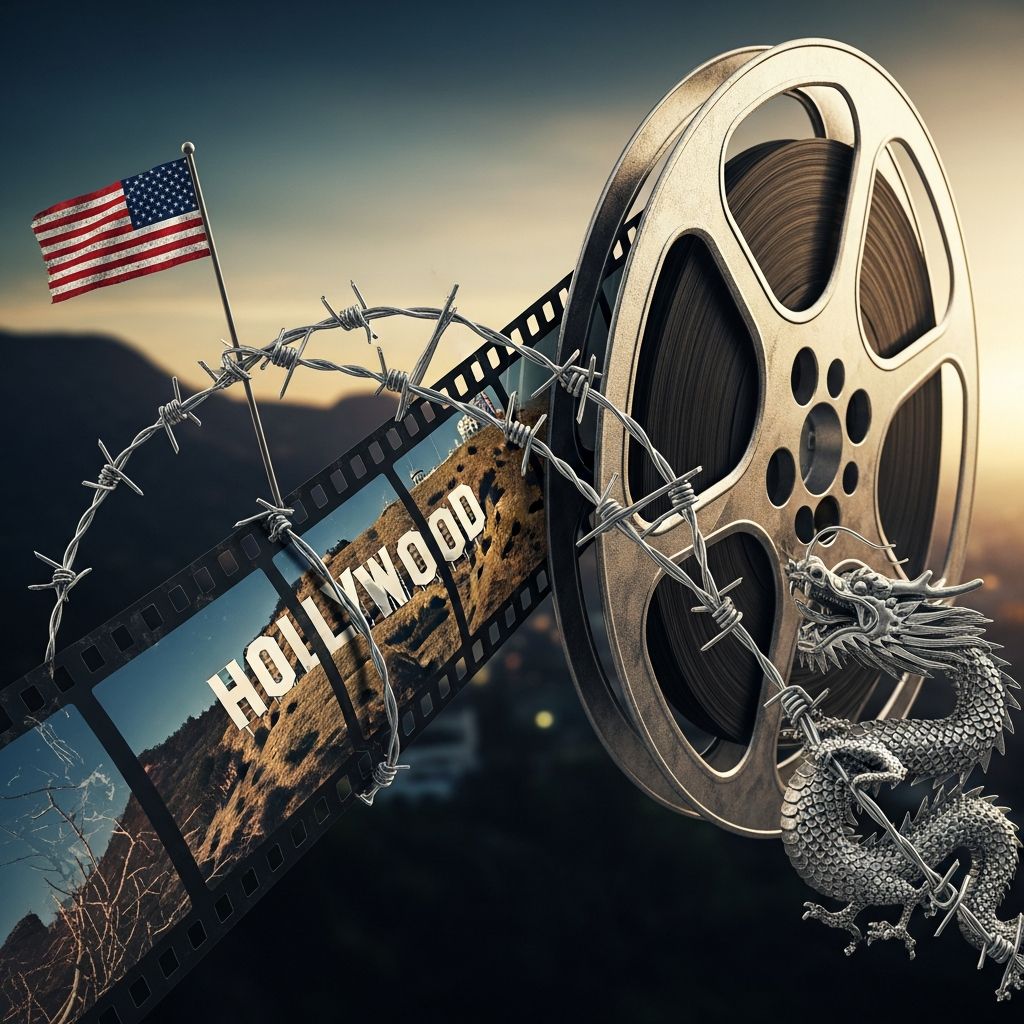
In an era of heightened economic nationalism, the glittering world of Hollywood finds itself caught in the crossfire of international trade disputes. As U.S. President Donald Trump ramps up tariffs on Chinese goods, Beijing has fired back by tightening restrictions on American movies, sending shockwaves through the entertainment industry. This clash isn’t just about steel and soybeans—it’s now ensnaring blockbuster franchises and summer tentpoles, with potential losses running into billions. Let’s dive into how this geopolitical standoff is reshaping the global film landscape.
The Roots of the Entertainment Trade Clash
The U.S.-China relationship has long been a delicate balance of economic interdependence and strategic rivalry. Hollywood has thrived on access to China’s massive audience, the second-largest movie market globally, generating over $9 billion in 2023 alone according to official box office data. Major studios like Disney, Warner Bros., and Universal have tailored content to appeal to Chinese censors and viewers, from dubbing explosions louder to embedding patriotic themes.
Enter Trump’s tariff strategy. Since his first term, the president has imposed duties as high as 125% on various Chinese imports, citing unfair trade practices. China responded tit-for-tat, matching levies on U.S. agricultural products and now, it seems, Hollywood exports. Recent moves by China’s National Film Administration signal a deliberate slowdown in approving American imports, framed as a response to ‘market conditions’ amid public backlash against U.S. policies.
- Key triggers: Escalating tariffs on tech and consumer goods.
- China’s leverage: Control over the quota system limiting foreign films to about 34 titles annually.
- Impact preview: Studios report delays in releases for hits like upcoming Marvel sequels.
China’s Quota System: A Gatekeeper Under Siege
At the heart of this battle is China’s revenue-sharing quota for foreign films, capped at 34 per year since 2012. These aren’t flat-rate imports; Hollywood films split box office proceeds 25% with Chinese distributors, a deal that has minted fortunes from titles like Avengers: Endgame, which grossed $614 million there.
Now, approvals are trickling to a halt. Insiders whisper of indefinite holds on major releases, ostensibly due to ‘consumer sentiment’ soured by trade frictions. This isn’t the first rodeo—during Trump’s initial trade salvos in 2018-2019, China slashed Hollywood’s share, favoring domestic blockbusters like The Wandering Earth.
| Year | Hollywood Films Approved | China Box Office from US Movies ($B) | Top Performer |
|---|---|---|---|
| 2023 | 32 | 2.8 | Barbie ($208M) |
| 2024 | 28 (proj.) | 1.9 (proj.) | Oppenheimer ($55M) |
| 2025 | TBD (downward trend) | Est. 1.2 | N/A |
Data sourced from China’s State Film Administration and industry trackers. Projections factor in current delays.
Trump’s Counterpunch: Tariffs on Foreign Films?
Never one to back down, Trump has floated aggressive countermeasures. In recent Truth Social posts, he decried Hollywood’s ‘decimation’ by foreign tax incentives luring productions abroad, authorizing probes into 100% tariffs on imported movies. This targets not just China but Canada, the UK, and others offering rebates that draw U.S. crews overseas.
California Governor Gavin Newsom called it ‘grossly incompetent’ policy, warning of job losses in L.A. Yet Trump frames it as national security, arguing runaway productions erode domestic talent pools. Economists debate feasibility—how do you tariff a digital download or streaming rights?
“Our film industry has been decimated by other countries taking our talent out.” — President Trump, Truth Social, 2026.
Economic Fallout for Studios and Stars
The math is brutal. China accounts for 20-30% of global box office for big releases. Losing it means write-downs: Disney alone could forfeit $500 million annually. Smaller indies, already squeezed, face extinction from the China pipeline.
Stars and directors adapt—Tom Cruise’s Mission: Impossible series skipped China post-2019 tensions, pivoting to Europe and Japan. Streaming giants like Netflix, banned outright, feel indirect pain as theaters prioritize locals.
- Revenue Hit: $2-3B yearly U.S. losses.
- Production Shifts: More shoots in Mexico, Australia.
- Content Tweaks: Self-censorship to appease Beijing, now backfiring.
Beijing’s Domestic Boom: Filling the Void
China’s film sector, valued at $7.5B in 2025, surges with state-backed epics. Titles like Battle of Changjin Lake sequel rake in patriotic dollars, subsidized by the government. This ‘cultural sovereignty’ push aligns with Xi Jinping’s vision, using cinema to bolster nationalism amid external pressures.
Foreign rivals scramble: Bollywood and K-dramas gain inches, but Hollywood’s spectacle remains unmatched—for now.
Global Ripple Effects and Industry Voices
Beyond bilateral beef, this war fragments the $100B global market. Europe eyes similar protections; India bolsters its own quotas. The Motion Picture Association lobbies Washington for diplomacy, warning of ‘mutually assured destruction’ in entertainment.
Analyst views diverge: Some predict Hollywood’s resilience via VOD and merch; others foresee a bifurcated world—U.S.-centric vs. China-led cinema spheres.
Future Scenarios: Diplomacy or Escalation?
Optimists hope for WTO mediation or bilateral talks. Pessimists brace for full embargo, echoing Cold War cultural divides. Trump’s team hints at carve-outs for ‘friendly’ nations, but China remains priority target.
Studios hedge: Co-productions with Hong Kong firms skirt quotas, though political risks mount post-2020 security law.
FAQs: Trade Wars and Movies
Q: How many Hollywood movies does China typically import?
A: Around 34 revenue-sharing titles yearly, plus flat-fee imports.
Q: Can tariffs really apply to films?
A: Proposed as duties on foreign productions entering U.S. markets, targeting physical and digital imports.
Q: What’s the biggest loser here?
A: Blockbuster franchises reliant on China, like Marvel and Fast & Furious.
Q: Will this end streaming services in China?
A: Netflix et al. are already blocked; tariffs could worsen theatrical access.
Q: Any silver lining for Hollywood?
A: Boost to domestic innovation and emerging markets like India, Southeast Asia.
Navigating the New Normal
As tariffs thicken the plot, Hollywood must rewrite its script. Diversification, tech integration (VR/AR films), and niche global appeal offer paths forward. Yet in this trade thriller, no hero emerges unscathed. The coming years will test if entertainment can transcend economics—or become its casualty.
References
- China Film Industry Report 2023 — State Administration of Press, Publication, Radio, Film and Television of China. 2023-12-31. http://www.sapprft.gov.cn/
- U.S. Trade Representative 2025 Tariff Actions — Office of the United States Trade Representative. 2025-04-15. https://ustr.gov/countries-regions/china-mongolia-taiwan/peoples-republic-china/section-301-investigation
- Global Box Office Analysis — Motion Picture Association. 2024-06-01. https://www.motionpictures.org/wp-content/uploads/2024/06/2023-Theatrical-Report.pdf
- China’s Film Market Development — China Film Administration. 2025-03-20. http://www.chinafilm.gov.cn/
- Trade Policy Review: United States — World Trade Organization. 2024-11-12. https://www.wto.org/english/tratop_e/tpr_e/s415_e.pdf
Similar Articles








Read full bio of Sneha Tete