Fantastic Four (2015): 3 Key Lessons From Box-Office Failure
Screenwriter Jeremy Slater reveals creative clashes, budget woes, and vision mismatches that doomed the 2015 Fantastic Four reboot to failure.
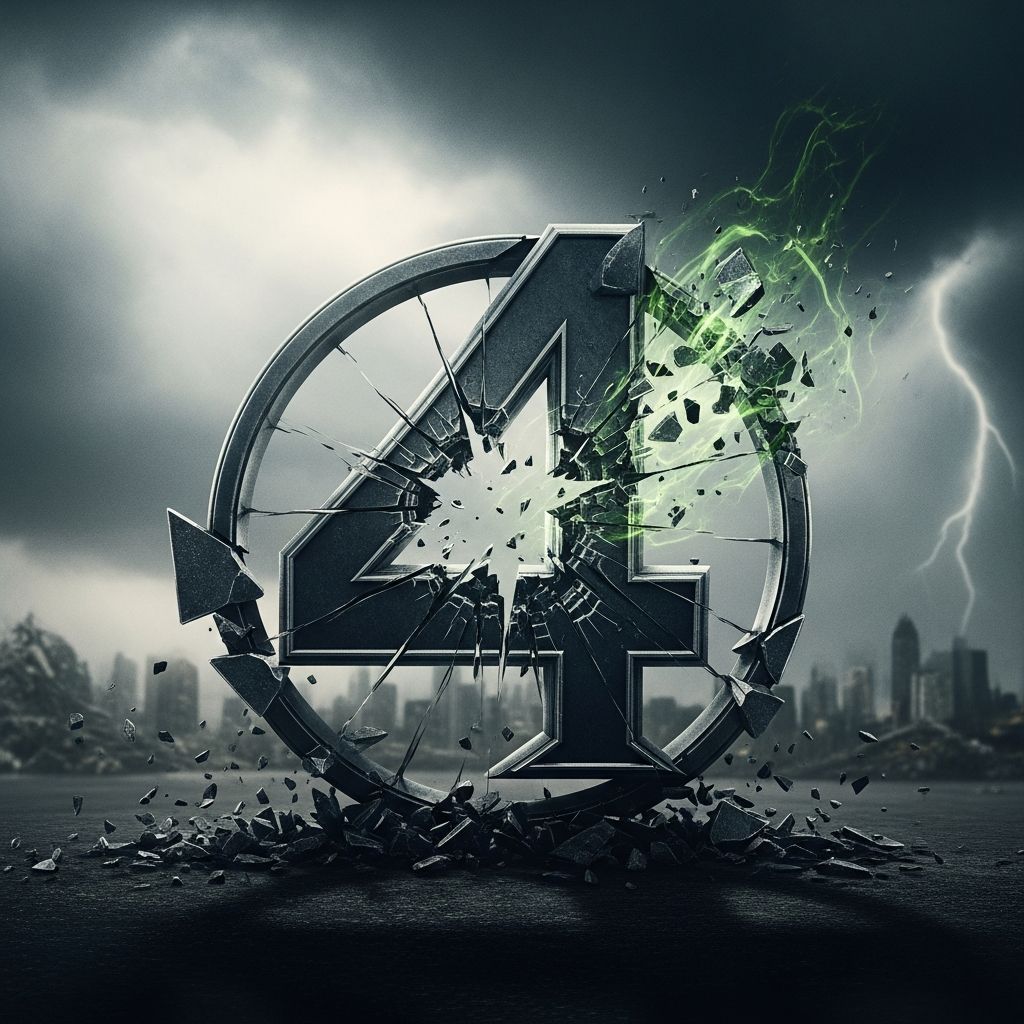
The 2015 reboot of Marvel’s iconic team, Fantastic Four, promised a fresh start for the beleaguered franchise but instead became a notorious box-office bomb and critical punchline. Directed by Josh Trank and written primarily by Jeremy Slater, the film arrived with high hopes after previous iterations had underwhelmed audiences. Yet, with a worldwide gross of just $167.9 million against a $120 million budget, and a dismal 9% Rotten Tomatoes score, it crashed spectacularly. What went wrong? Screenwriter Jeremy Slater has since provided candid reflections, pointing to deep creative divides, production turmoil, and strategic missteps that derailed the project from its inception.
The Origins of a Troubled Vision
Fox’s decision to reboot Fantastic Four came after the 2007 sequel Rise of the Silver Surfer failed to capitalize on modest success from the 2005 original. Enter Josh Trank, fresh off the innovative found-footage hit Chronicle, tasked with bringing a grounded, scientific edge to Reed Richards, Sue Storm, Johnny Storm, and Ben Grimm. Jeremy Slater, an emerging screenwriter passionate about comic book lore, was brought on to craft the script.
Slater’s early drafts aimed for a balance of spectacle, humor, and heartfelt team dynamics. Drawing inspiration from the Marvel Cinematic Universe’s The Avengers, he envisioned the heroes gaining powers early, allowing ample time for character development, banter, and epic clashes. The original antagonist was Annihilus, a monstrous insectoid lord from the Negative Zone—a classic comic foe described in drafts as a cybernetic terror. Victor von Doom was set to return empowered from that dimension, forging a path toward sequels.
However, Trank pushed for a darker, more realistic tone akin to Batman Begins. This fundamental clash—Slater’s love for vibrant, comic-accurate adventure versus Trank’s gritty realism—set the stage for compromise that satisfied no one.
Creative Clashes: Avengers vs. Gritty Realism
At the heart of the failure lay a profound disconnect between key creatives. Slater openly admitted in interviews that he and Trank “saw different movies.” Slater championed the joyful, larger-than-life essence of Marvel comics, infused with quips, heroism, and wonder. Trank, influenced by darker superhero tales, favored hyper-realism, muted colors, and psychological depth over spectacle.
- Tonal Mismatch: Slater’s script packed action and team-building into the first act, mirroring Avengers‘ structure. Trank’s vision stretched origin elements across the entire runtime, leaving little room for heroic payoff.
- Villain Choices: Slater advocated for a grand Galactus tease or full Annihilus showdown, but internal resistance and reshoots simplified Doom into a generic threat.
- Character Dynamics: The film’s attempts at humor felt forced against its somber backdrop, alienating fans expecting family-oriented fun.
This tug-of-war resulted in a hybrid: quippy dialogue clashing with dour visuals, creating a weightless yet joyless experience.
Production Chaos and Reshoots
Beyond creative rifts, production descended into disarray. Reports of Trank’s erratic behavior, including a infamous tweet (later deleted) disowning the film, fueled speculation. Slater corroborated that early cuts stunned executives with their bleakness, prompting extensive reshoots.
The reshoots transformed the third act into a more conventional superhero battle, but time constraints meant disjointed integration. Miles Teller’s Reed, Kate Mara’s Sue, Michael B. Jordan’s Johnny, and Jamie Bell’s Ben got limited screen time to bond as a family—the team’s comic hallmark.
| Aspect | Original Plan | Final Film |
|---|---|---|
| Pacing | Powers by page 45; team-up focus | Origins dominate runtime |
| Villain | Annihilus/Negative Zone epic | Doom mutated by Planet Zero |
| Tone | Humor, heart, spectacle | Grim, grounded realism |
| Box Office | N/A | $167.9M vs. $120M budget |
These changes, while aiming to salvage marketability, exacerbated inconsistencies, turning potential into a patchwork failure.
Budget Shifts and Studio Interference
Financial pressures compounded issues. Initial plans for ambitious VFX, like a Kirby-esque Galactus, faced “internal pushback” as budgets tightened. Slater lamented losing the cosmic scale that could have distinguished the film. Fox, wary of prior flops, meddled, demanding broader appeal but providing insufficient resources.
The result? A villainous Doom (Toby Kebbell) who felt underdeveloped, and action sequences that lacked polish. Critics lambasted the sterile aesthetic and lack of wonder, echoing audience fatigue with joyless superhero fare.
Cast and Performance Underutilization
A talented ensemble—Miles Teller, Kate Mara, Michael B. Jordan, Jamie Bell, and Toby Kebbell—shone in flashes but were hamstrung by script woes. Jordan’s Johnny brought charisma, Bell’s Ben raw emotion, yet family ties felt perfunctory. Romantic tension between Reed and Sue was subdued, missing comic spark.
Trank’s direction emphasized brooding over levity, stifling chemistry. Reshoots further diluted performances, leaving actors in a compromised final cut.
Lessons for the Superhero Genre
The Fantastic Four debacle underscores perils of mismatched visions in tentpole films. It highlighted the MCU’s formula—early powers, team focus, humor—as a blueprint for success, influencing future Marvel projects. Slater praised upcoming The Fantastic Four: First Steps for embracing multiverse flair and proper Galactus design.
Key takeaways:
- Align creative teams on tone early.
- Avoid overextending origins at spectacle’s expense.
- Commit to comic roots for fan satisfaction.
The Road to Redemption in the MCU
With Marvel Studios reclaiming the rights, anticipation builds for 2025’s The Fantastic Four: First Steps. Starring Pedro Pascal, Vanessa Kirby, Joseph Quinn, and Ebon Moss-Bachrach, it promises cosmic adventure sans 2015’s pitfalls. Slater’s excitement signals hope: a faithful, bold take could finally deliver the First Family justice.
Frequently Asked Questions
What was Jeremy Slater’s main criticism of the 2015 Fantastic Four?
Slater highlighted a core clash with director Josh Trank: his Avengers-inspired vision of fun, spectacle, and early team dynamics versus Trank’s gritty, Batman Begins-style realism.
Why were reshoots necessary for Fantastic Four 2015?
Early cuts were deemed too dark and unmarketable by executives, leading to rushed changes that restructured the third act but created tonal inconsistencies.
Did the 2015 film feature classic villains like Galactus or Annihilus?
No. Slater pushed for Annihilus initially and wanted a classic Galactus, but studio pushback and rewrites simplified to a mutated Doctor Doom.
How did Fantastic Four 2015 perform financially?
It earned $167.9 million worldwide against a $120 million budget, failing to break even after marketing costs.
Will the MCU Fantastic Four redeem the franchise?
Early buzz suggests yes, with a multiverse story, faithful designs, and MCU polish addressing 2015’s flaws.
References
- Box Office Mojo – Fantastic Four (2015) — IMDb. 2023-05-15. https://www.boxofficemojo.com/title/tt1502712/
- Fantastic Four (2015) – Rotten Tomatoes — Fandango. 2024-10-01. https://www.rottentomatoes.com/m/fantastic_four_2015
- ScreenRant – Fantastic Four 2015 Writer Insights — ScreenRant. 2025-02-12. https://screenrant.com/fantastic-four-2015-jeremy-slater-avengers-batman-inspiration/
- ComicBook.com – Jeremy Slater on Fantastic Four Failure — ComicBook. 2025-01-20. https://comicbook.com/movies/news/jeremy-slater-fantastic-four-2015-what-went-wrong/
- SlashFilm – Why 2015 Fantastic Four Flopped — SlashFilm. 2024-11-05. https://www.slashfilm.com/1887702/why-2015-fantastic-four-flopped-screenwriter-jeremy-smith/
Similar Articles




Read full bio of medha deb