Why Classic Fantasy Television Hasn’t Aged Well
Exploring the technical and narrative decline of beloved fantasy series
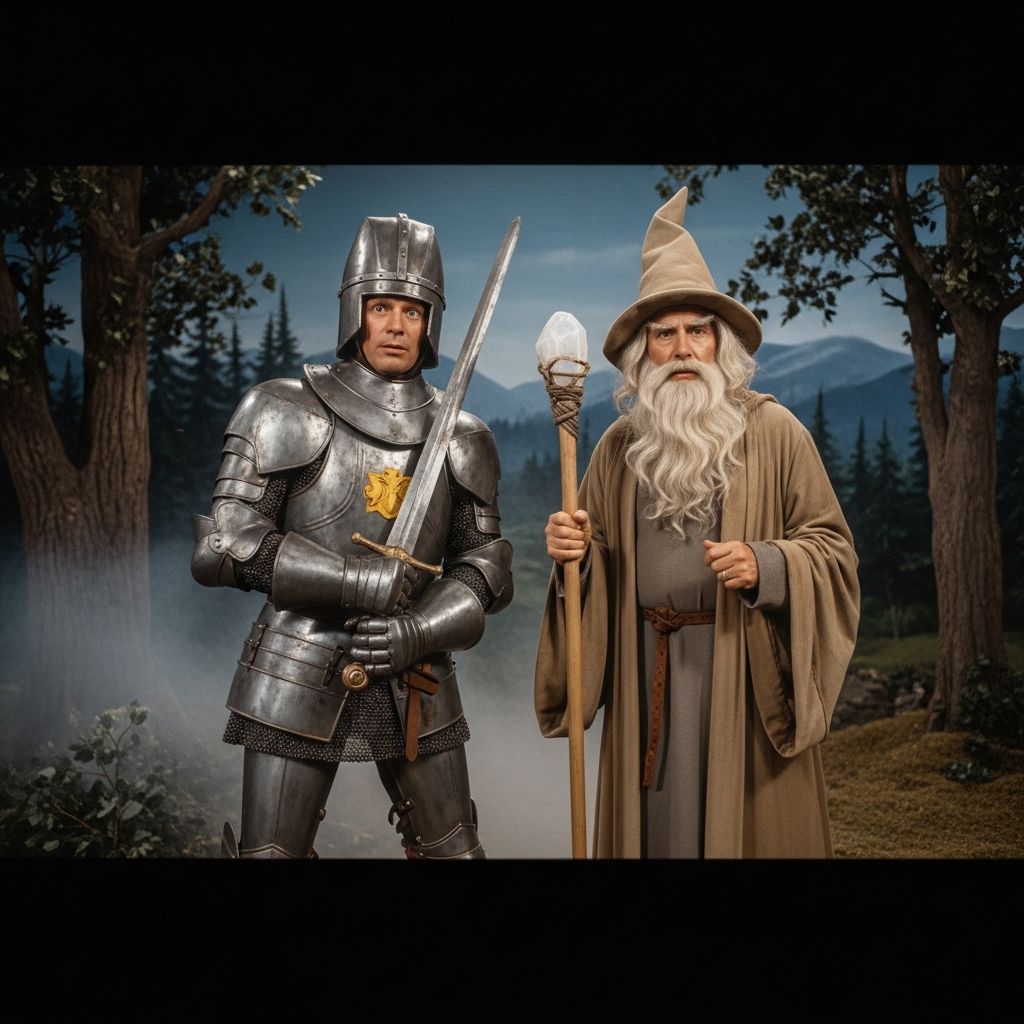
The golden age of fantasy television in the 1990s and early 2000s produced countless series that captivated audiences with imaginative worlds, supernatural adventures, and larger-than-life heroes. Yet when contemporary viewers revisit these beloved programs, many discover that the magic has faded considerably. What once seemed cutting-edge now appears antiquated, campy, or tonally inconsistent. Understanding why these shows struggle with modern audiences requires examining multiple factors: technical limitations of the era, evolving production standards, changes in storytelling conventions, and shifting cultural expectations about representation and narrative sophistication.
The Technical Limitations of Early Fantasy Productions
The most immediately apparent issue facing classic fantasy television is the visual presentation. Productions from this era operated within strict budgetary and technological constraints that modern viewers rarely consider. Digital effects were in their infancy, and studios made creative compromises that seemed acceptable at the time but now appear glaringly primitive.
Special Effects That Haven’t Withstood Time
Computer-generated imagery in the 1990s and early 2000s followed an exponential trajectory of improvement, yet shows produced during this period occupy an awkward middle ground. The technology was sophisticated enough to be noticeable but not refined enough to feel seamless or convincing. Digital creatures, mystical environments, and magical phenomena often display visible artifacts, jerky animations, or unconvincing texture work that immediately breaks immersion for viewers accustomed to contemporary standards.
Unlike practical effects that often retain their charm through physical authenticity, substandard CGI ages poorly because it represents a failed attempt to achieve photorealism rather than an intentional artistic choice. When audiences watch these sequences today, they experience cognitive dissonance between the intended spectacle and the technical execution.
Production Design Constraints
Costume and set design limitations created additional challenges. Many fantasy shows operated with modest budgets that necessitated reusing locations, recycling costumes, and creating practical rather than practical-magical environments. What viewers accepted as reasonable compromises in real-time viewing becomes distractingly obvious during repeat viewings decades later, particularly when compared to contemporary productions that benefit from substantially larger investments in production design.
Tonal Inconsistency and Shifting Narrative Expectations
Beyond technical concerns, many classic fantasy series struggle with fundamental storytelling approaches that reflected the entertainment values of their era but feel misaligned to modern sensibilities.
Comedic Moments That Miss the Mark
Many 1990s and 2000s fantasy shows incorporated comedic relief sequences that served different narrative functions than contemporary audiences expect. Slapstick humor, pun-laden dialogue, and deliberately campy performances were deployed to entertain viewers but often undermine dramatic moments and character development. The tonal whiplash between serious mythological storytelling and broad comedic setpieces creates jarring transitions that modern viewers find difficult to navigate, particularly as contemporary television has developed more sophisticated approaches to blending humor and drama.
Pacing and Episode Structure
Television formats have evolved significantly since these shows aired. Contemporary fantasy productions often employ serialized storytelling with complex mythology that unfolds across seasons, whereas earlier programs frequently operated on episodic structures where each installment presented largely self-contained narratives. This approach required more exposition, simpler character arcs, and less opportunity for nuanced character development across seasons. Modern audiences trained by series like Game of Thrones, The Witcher, and The Lord of the Rings: The Rings of Power find the episodic approach frustratingly repetitive and dramatically underdeveloped.
Representation and Cultural Values
Perhaps the most significant factor contributing to the dated feel of classic fantasy television involves changing cultural attitudes toward representation, gender portrayal, and diversity.
Limited Diversity in Casting and Storytelling
Many productions from this era featured predominantly white casts, particularly in leading roles, with limited representation of characters from diverse backgrounds. When such representation did occur, it often relied on stereotypical characterizations that modern audiences rightfully reject. The fantasy genre, which theoretically offers unlimited creative possibilities for inclusive worldbuilding, rarely embraced this potential in earlier television iterations.
Female Character Development
The portrayal of female characters in classic fantasy television frequently reflected outdated assumptions about agency, capability, and narrative importance. While some shows pioneered stronger female leads, many relegated female characters to supporting roles, love interests, or demonstrated their power through hypersexualization rather than competence and character depth. Contemporary expectations for female character development have fundamentally shifted, making many earlier portrayals feel uncomfortable or reductive.
Problematic Narrative Tropes
Certain storytelling conventions prevalent in early fantasy television rely on tropes that modern audiences recognize as problematic. These might include orientalism, racial coding of villains, or narratives that center exclusively on heteronormative relationships without acknowledging alternative identities.
Comparison to Modern Fantasy Television Standards
The evolution of fantasy television production provides clear benchmarks for understanding why earlier series feel dated. Contemporary programs benefit from multiple advantages that compound the aging process for older shows.
Budget and Resources
Modern fantasy productions command substantially larger budgets, enabling investment in world-class visual effects, expansive set designs, and sophisticated costume departments. This financial advantage translates directly to visual sophistication that makes earlier productions appear resource-constrained by comparison.
Storytelling Sophistication
Contemporary fantasy television employs narrative techniques developed through decades of television evolution. Complex mythology, serialized storytelling, sophisticated dialogue, and character arcs that develop across entire seasons represent standard practice rather than innovation. Earlier shows operated within different narrative frameworks that now appear simplistic.
Technical Expertise
Modern production teams possess specialized knowledge accumulated through years of fantasy television production. Directors, cinematographers, visual effects supervisors, and other creative professionals bring refined expertise to every aspect of production, creating a baseline of quality that earlier programs, pioneering though they were, could not match.
The Nostalgia Paradox
An interesting contradiction emerges when considering classic fantasy television: while these shows objectively exhibit technical and narrative limitations by contemporary standards, they retain significant value for audiences who experienced them during their original broadcast. Nostalgia operates as a powerful lens that can override objective assessment of quality, allowing longtime fans to appreciate these shows within their original context while remaining aware of their limitations.
This paradox suggests that the question of whether classic fantasy shows have “aged well” depends partly on perspective. For viewers encountering these programs for the first time, the technical limitations and outdated narrative approaches create barriers to enjoyment. For longtime fans, the shows maintain cultural significance and entertainment value despite their objective shortcomings.
Specific Challenges Facing Particular Productions
Different fantasy series encountered distinct aging challenges depending on their narrative focus, visual approach, and subject matter:
- Vampire-Focused Series: Shows centered on vampire mythology particularly struggled with visual effects depicting supernatural powers and transformations that appear unconvincing by modern standards, while also grappling with outdated representations of supernatural communities.
- Sword-and-Sorcery Epics: Programs attempting to create expansive fantasy worlds through practical effects and limited locations feel constrained when compared to contemporary productions with greater resources for worldbuilding.
- Mythology-Based Shows: Series adapting classical mythology sometimes employed cultural stereotyping in their portrayal of mythological figures and their associated cultures, reflecting historical attitudes that modern audiences reject.
- Urban Fantasy Series: Programs blending contemporary settings with fantasy elements occasionally employed aesthetic choices and cultural references that quickly became dated, creating unintentional anachronism.
Can These Shows Be Salvaged or Reframed?
Some classic fantasy television has experienced renewed appreciation through recontextualization. Understanding these shows within their historical moment—recognizing them as groundbreaking experiments in television fantasy rather than definitive versions of the genre—enables appreciation for their innovations despite technical limitations. Additionally, remake and reboot culture has created opportunities for reimagining these concepts with contemporary production standards and values.
However, not all classic fantasy television merits restoration or reimagining. Some shows fundamentally relied on production approaches or narrative frameworks that cannot be separated from their outdated qualities without creating entirely new content.
Conclusion: The Inevitable March of Progress
The aging of classic fantasy television reflects the inevitable progression of entertainment production. Technical standards advance, cultural values shift, and narrative conventions evolve, all combining to render even the most innovative productions of previous eras vulnerable to appearing dated. This process is neither tragedy nor failure but rather the natural consequence of creative fields where progress constantly redefines baseline expectations.
Understanding why classic fantasy shows haven’t aged well provides valuable perspective on contemporary production standards while fostering appreciation for the pioneering work these earlier series accomplished. The shows that seem most dated today helped establish many conventions that modern fantasy television now takes for granted, making them important stepping stones in genre development even as they struggle to maintain contemporary relevance.
References
- The Evolution of Television Visual Effects: From Practical to Digital — Society for Motion Picture and Television Engineers (SMPTE). 2024. https://www.smpte.org/
- Gender Representation in Science Fiction and Fantasy Television: Historical Trends and Contemporary Analysis — Media Studies Association. 2023. https://www.amsjournal.org/
- Serialized Narrative Structure in Contemporary Television Drama — Academy of Television Arts and Sciences (ATAS). 2024. https://www.emmys.com/
- Production Design Standards and Budget Allocation in Television Drama Series — Directors Guild of America (DGA). 2023. https://www.dga.org/
- Nostalgia and Media Reception: Psychological and Cultural Dimensions — American Psychological Association. 2024. https://www.apa.org/
Similar Articles



Read full bio of Sneha Tete