Fantastic Four Failures: Key Lessons For MCU Success In 2025
Exploring the repeated missteps in adapting Marvel's First Family to the screen, from casting woes to narrative failures.
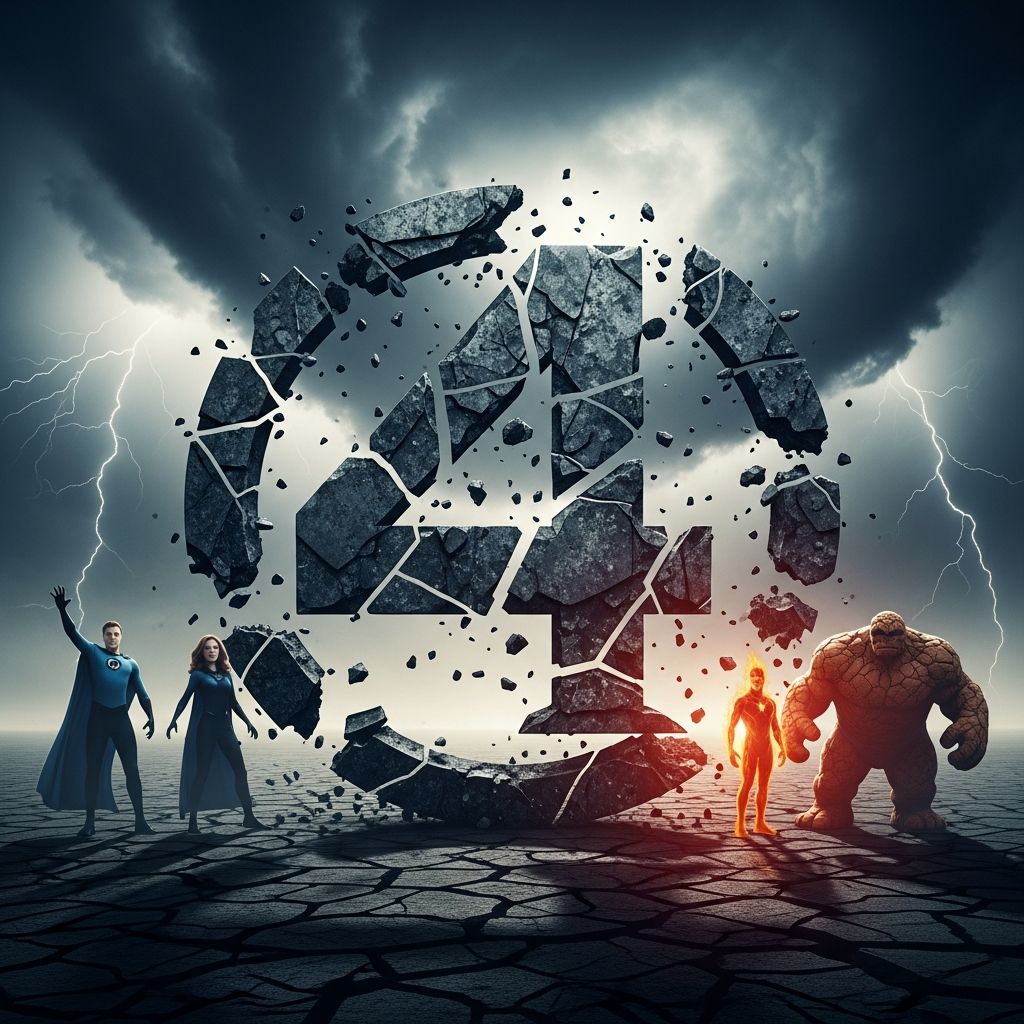
Marvel’s Fantastic Four, often called the First Family of superheroes, have a storied history in comics but a dismal track record on the big screen. Despite multiple attempts by 20th Century Fox, each cinematic outing has stumbled, earning more notoriety for failures than acclaim. This article dissects the core issues plaguing these adaptations, from tonal inconsistencies to botched character arcs, offering insights into what went wrong and what the upcoming MCU version might learn.
The Burden of Early Adaptations
The journey began with high hopes in the mid-2000s, when Fox unleashed two films hoping to capitalize on the burgeoning superhero genre. The 2005 release aimed for lighthearted fun but landed in mediocrity. Budgeted at around $100 million, it scraped together $333 million worldwide, a modest win propped up by novelty rather than quality. Critics noted its reliance on slapstick over substance, turning complex heroes into one-note jokes.
Its sequel, released in 2007, doubled down on spectacle with the Silver Surfer’s cosmic flair but faltered similarly. With a heftier $130 million budget, it grossed $301 million, signaling diminishing returns. The glossy effects couldn’t mask thin plotting or underdeveloped relationships. These entries captured a fleeting 2000s vibe—think quippy banter amid CGI chaos—but aged poorly, feeling like relics of a pre-MCU era.
- Key financial snapshot:
- 2005 film: $100M budget, $333M gross
- 2007 sequel: $130M budget, $301M gross
- Common praises: Visuals and cast chemistry in bursts
- Persistent knocks: Lack of emotional depth and stakes
Production Nightmares Behind the 2015 Debacle
After years in limbo, Fox rebooted with a darker vision in 2015, directed by Josh Trank. What promised innovation devolved into chaos. Reports swirled of on-set clashes, script rewrites, and extensive reshoots that ballooned costs to $120-155 million. The final product earned a paltry $168 million, cementing its status as a financial and artistic bomb.
Trank’s initial cut reportedly evoked gritty sci-fi like Chronicle, but studio interference morphed it into a generic thriller. Actors like Miles Teller (Reed Richards) and Michael B. Jordan (Johnny Storm) delivered uneven performances amid a dour tone. The film prioritized origin tedium over heroic triumphs, leaving audiences bored. Post-release, Trank distanced himself, blaming meddling for the mess—a rare public admission of Hollywood dysfunction.
| Film | Budget (est.) | Worldwide Gross | Rotten Tomatoes Score |
|---|---|---|---|
| Fantastic Four (2005) | $100M | $333M | 27% |
| Rise of the Silver Surfer (2007) | $130M | $301M | 37% |
| Fantastic Four (2015) | $120-155M | $168M | 9% |
This table highlights the downward trajectory, with critic scores plummeting to single digits for the reboot.
Character Portrayals That Missed the Mark
At the heart of these films’ woes lie mangled interpretations of iconic figures. Reed Richards, the brilliant stretchy scientist, often emerges as a smug intellectual devoid of warmth. In the 2005 version, Ioan Gruffudd’s Reed prioritizes lab work over family, undermining his leadership role. The 2015 take worsened it, painting him as aloof and opportunistic.
Sue Storm, the invisible force field expert, fares little better. Jessica Alba’s portrayal leaned into damsel tropes, while Kate Mara’s version felt sidelined in favor of tech jargon. Johnny Storm’s hotheaded flair got some play—Michael Chiklis and Jordan brought fire—but devolved into reckless antics without growth. Ben Grimm’s tragic transformation into The Thing sparked sympathy initially but turned into government pawn territory, stripping agency.
These depictions ignored the comics’ emphasis on familial bonds forged in crisis. Instead of evolving dynamics, films resorted to contrived banter, failing to evoke the heartfelt unity that defines the quartet.
Villainous Failures: Doom and Beyond
No discussion of flops omits Doctor Doom, the team’s arch-nemesis. Julian McMahon’s 2000s version was a corporate schemer with tacked-on powers, more soap opera villain than Latverian tyrant. The 2015 Toby Kebbell iteration twisted him into a vengeful exile, but rushed pacing neutered his menace. Both skipped Doom’s genius intellect, political savvy, and armored grandeur, reducing him to a plot device.
Supporting foes like the Silver Surfer shimmered visually but lacked depth. Laurence Fishburne’s voiceover couldn’t salvage a misunderstood alien turned weapon. These half-baked antagonists failed to challenge heroes meaningfully, dooming climaxes to forgettability.
Tonal Mismatches and Genre Traps
Fantastic Four thrives on blending sci-fi wonder with family drama, yet films veered wildly. Early entries aped Spider-Man‘s camp, while 2015 chased Man of Steel‘s grimness. Neither nailed the source material’s optimistic exploration—think cosmic adventures and invention-fueled heroism.
Fox’s era reflected studio pressures: chase trends without bold vision. This “product of its time” curse meant 2000s cheesiness aged into cheese, and 2010s darkness clashed with the team’s inherent joy. Upcoming MCU efforts, with directors like Matt Shakman, promise period flair (1960s-inspired), potentially sidestepping these pitfalls.
Behind-the-Scenes Insights and Broader Lessons
Chronic production woes amplified on-screen issues. The 2015 film’s reshoots exemplify executive overreach, a pattern in Fox’s superhero slate. Casting controversies—ethnicity debates for Johnny, fan backlash to designs—further eroded goodwill.
Yet, glimmers exist: practical Thing suits in 2005 impressed, and 2015’s Baxter Building set evoked comic panels. These hint at untapped potential. For Marvel Studios, reintegration offers redemption. Casting Pedro Pascal as Reed signals star power, while a multiverse angle could honor past attempts playfully.
Frequently Asked Questions
Is there an unreleased Fantastic Four movie?
Yes, Roger Corman’s 1994 low-budget version was shelved to retain rights; bootlegs circulate online.
Why did Fox struggle with Fantastic Four?
Rights issues, tonal indecision, and villain mishandlings repeatedly undermined efforts.
Will the MCU Fantastic Four succeed?
Early buzz suggests yes, with a fresh 1960s aesthetic and integrated storytelling.
What is the worst Fantastic Four film?
Consensus crowns 2015’s Fantastic Four the nadir, with a 9% Rotten Tomatoes score.
Who played The Thing best?
Fans debate Michael Chiklis’s practical portrayal versus digital alternatives.
Looking Ahead: MCU’s Redemption Arc
As Marvel Studios assumes control post-Disney acquisition, excitement builds for The Fantastic Four: First Steps in 2025. A retro-futuristic vibe, powerhouse cast (Vanessa Kirby as Sue, Ebon Moss-Bachrach as Thing), and ties to Avengers: Secret Wars position it for triumph. Learning from Fox’s errors—prioritize family, elevate Doom, embrace wonder—could finally deliver the blockbuster fans crave.
In sum, Fantastic Four’s film legacy is a cautionary tale of adaptation pitfalls. Yet, its resilience mirrors the heroes: stretched thin but unbreakable. The MCU era beckons as the ultimate stretch toward glory.
References
- Box Office Mojo – Fantastic Four (2005) — IMDbPro. 2023-05-15. https://www.boxofficemojo.com/title/tt0120667/
- Box Office Mojo – Fantastic Four (2015) — IMDbPro. 2023-05-15. https://www.boxofficemojo.com/title/tt1502712/
- Rotten Tomatoes – Fantastic Four (2015) — Fandango Media. 2024-01-10. https://www.rottentomatoes.com/m/fantastic_four_2015
- Variety – Marvel’s Fantastic Four: First Steps — Variety. 2024-07-25. https://variety.com/2024/film/news/marvel-fantastic-four-first-steps-1960s-mcu-1236087654/
- The Hollywood Reporter – Josh Trank Fantastic Four — The Hollywood Reporter. 2015-08-10. https://www.hollywoodreporter.com/movies/movie-news/fantastic-four-director-josh-trank-818512/
Similar Articles




Read full bio of medha deb